Capacity Building & AMR Training
Empowering scientists across Africa with genomic, phenotypic, and bioinformatics skills to strengthen antimicrobial resistance surveillance and response.
Trainings Conducted
Explore our regional training programs organized under the Africa CDC Pathogen Genomics Initiative, SeqAfrica, and WHO collaborations.
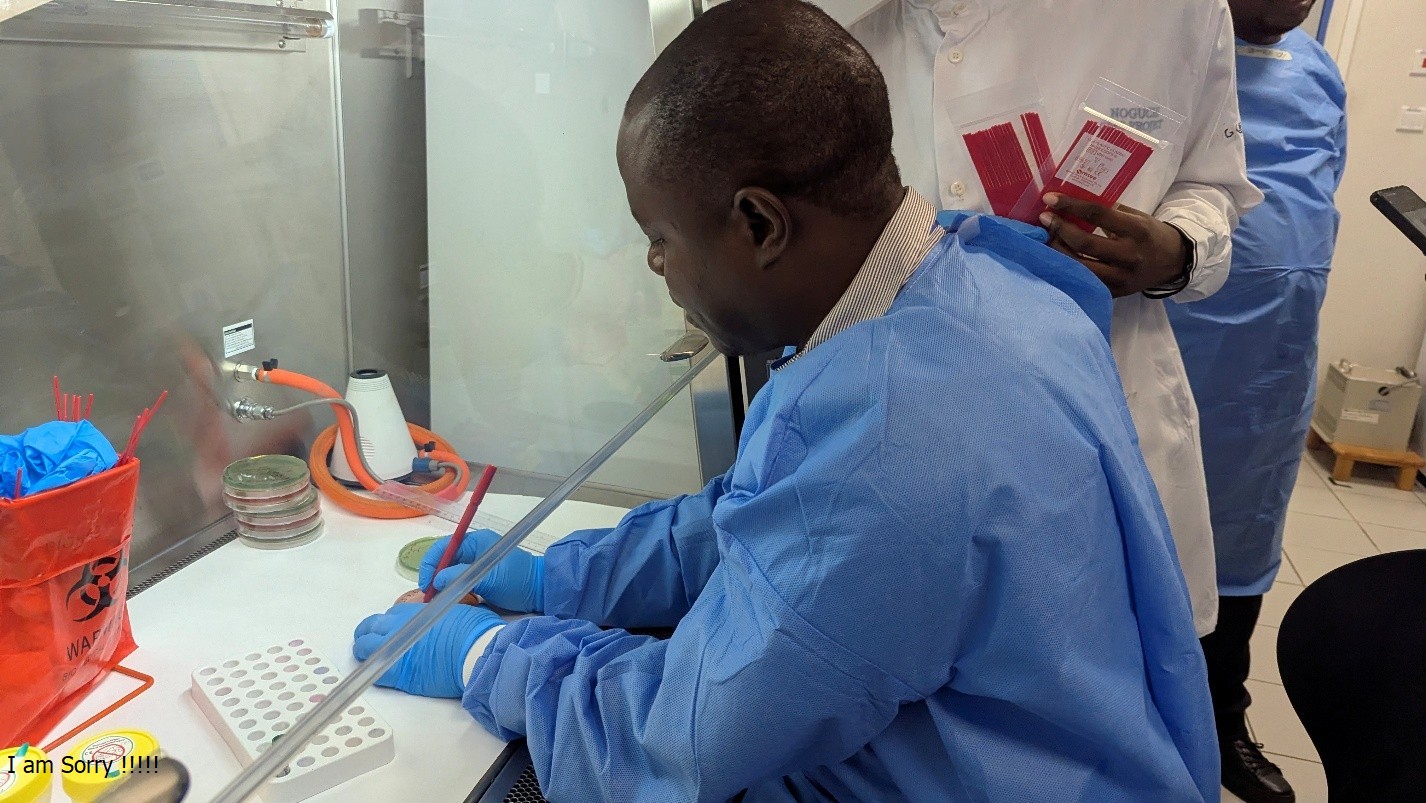
Bacteriology Testing for Identification and Antimicrobial Susceptibility Testing of GLASS Priority Pathogens (Module 4)
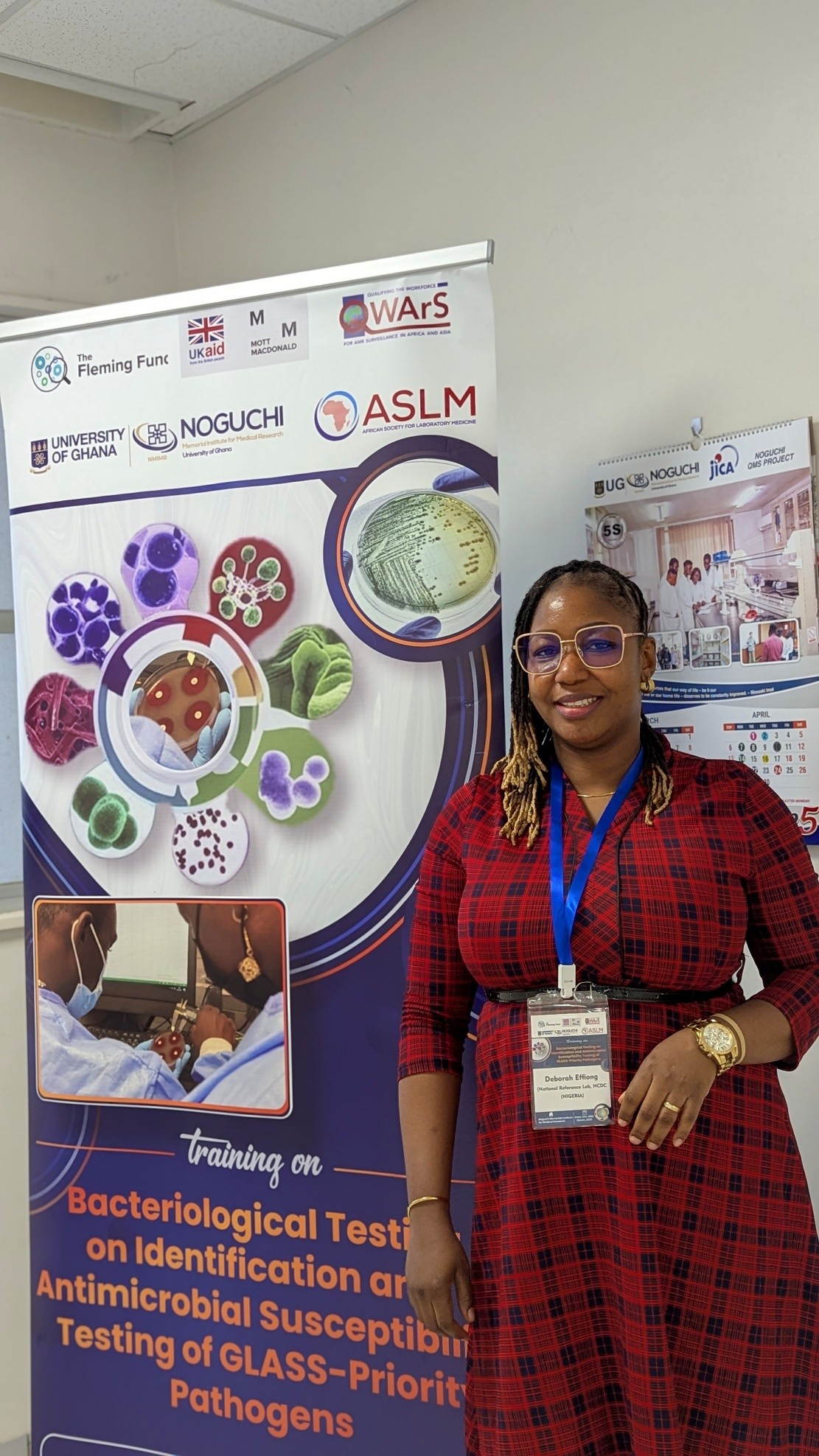
An intensive, hands-on training under the QWArS program delivered in partnership with The Fleming Fund, UKAid, Mott MacDonald, and ASLM.
Bacteriology Testing for Identification and Antimicrobial Susceptibility Testing of GLASS Priority Pathogens (Module 4)
The training was designed to address gaps in antimicrobial resistance (AMR) surveillance by equipping laboratory professionals with the skills required to generate accurate, reliable, and reproducible microbiological data. Participants were trained to perform pathogen identification using conventional and automated methods, conduct AST in accordance with international standards (CLSI/EUCAST), and interpret results to support clinical decision-making.
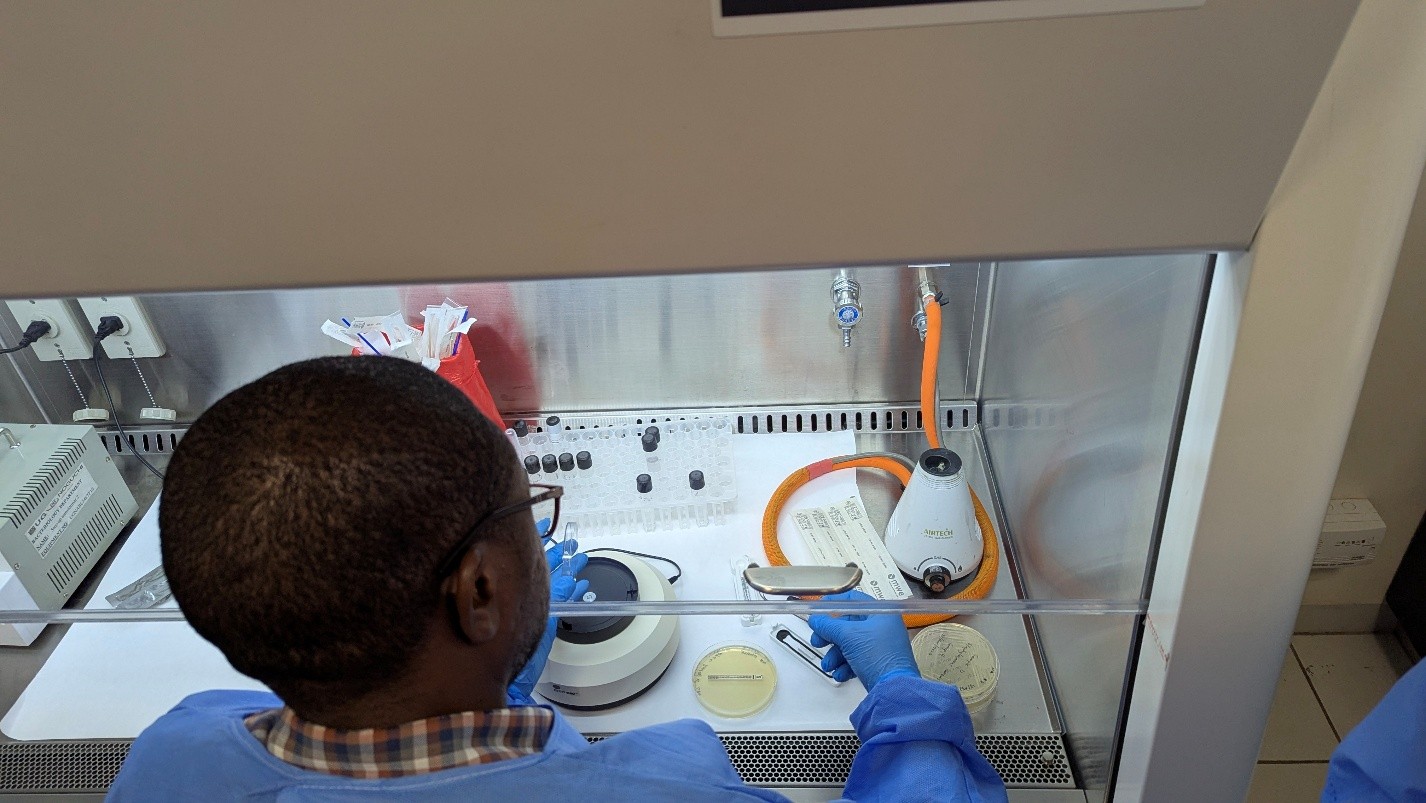
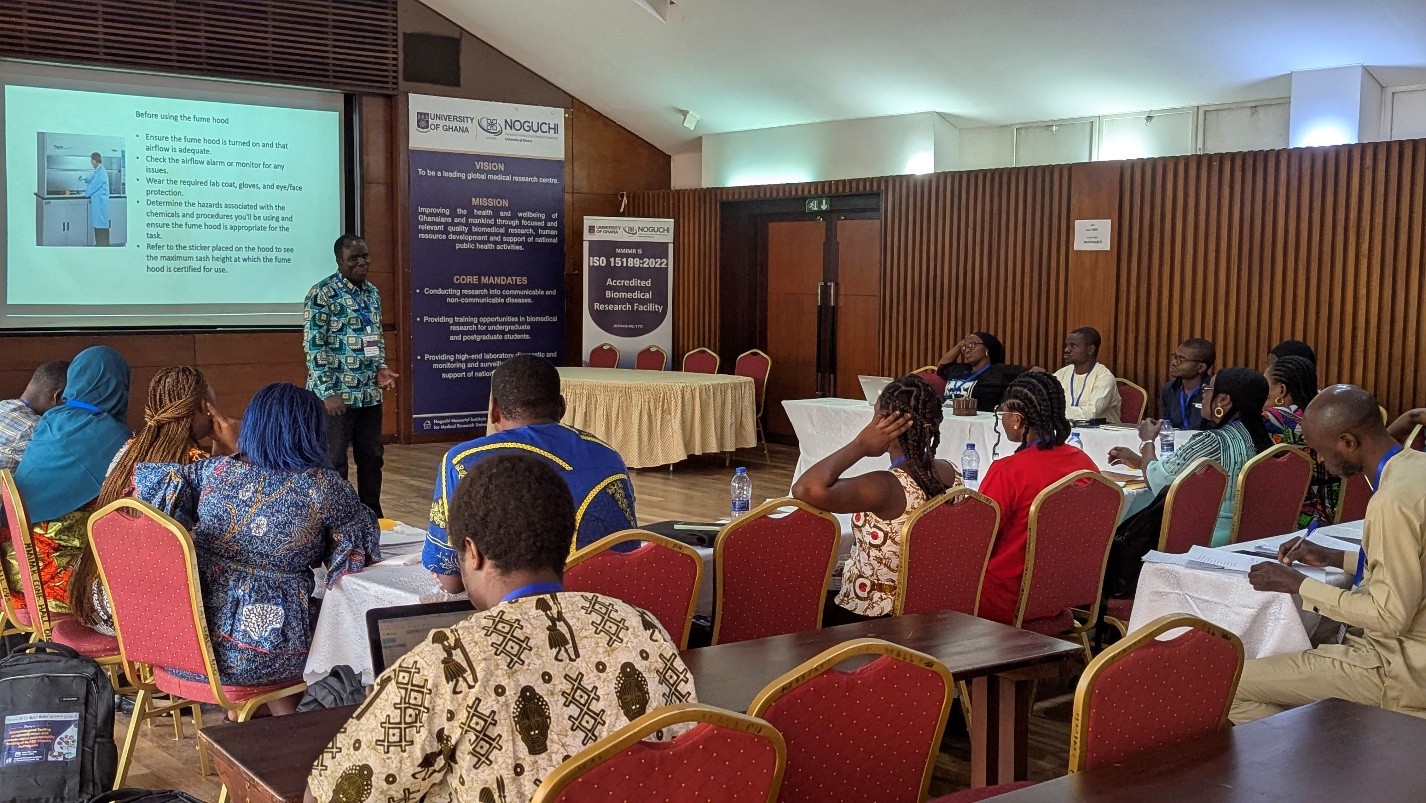
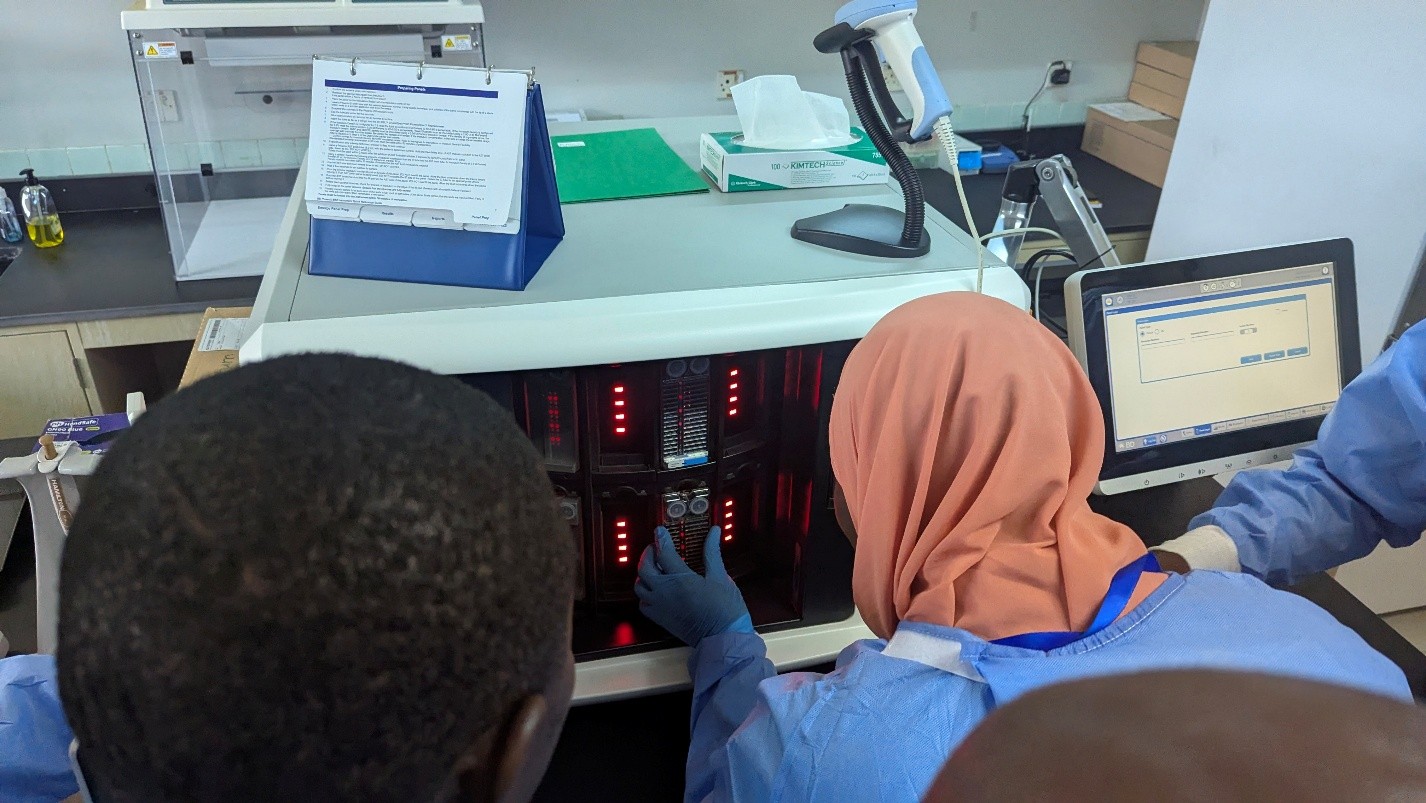
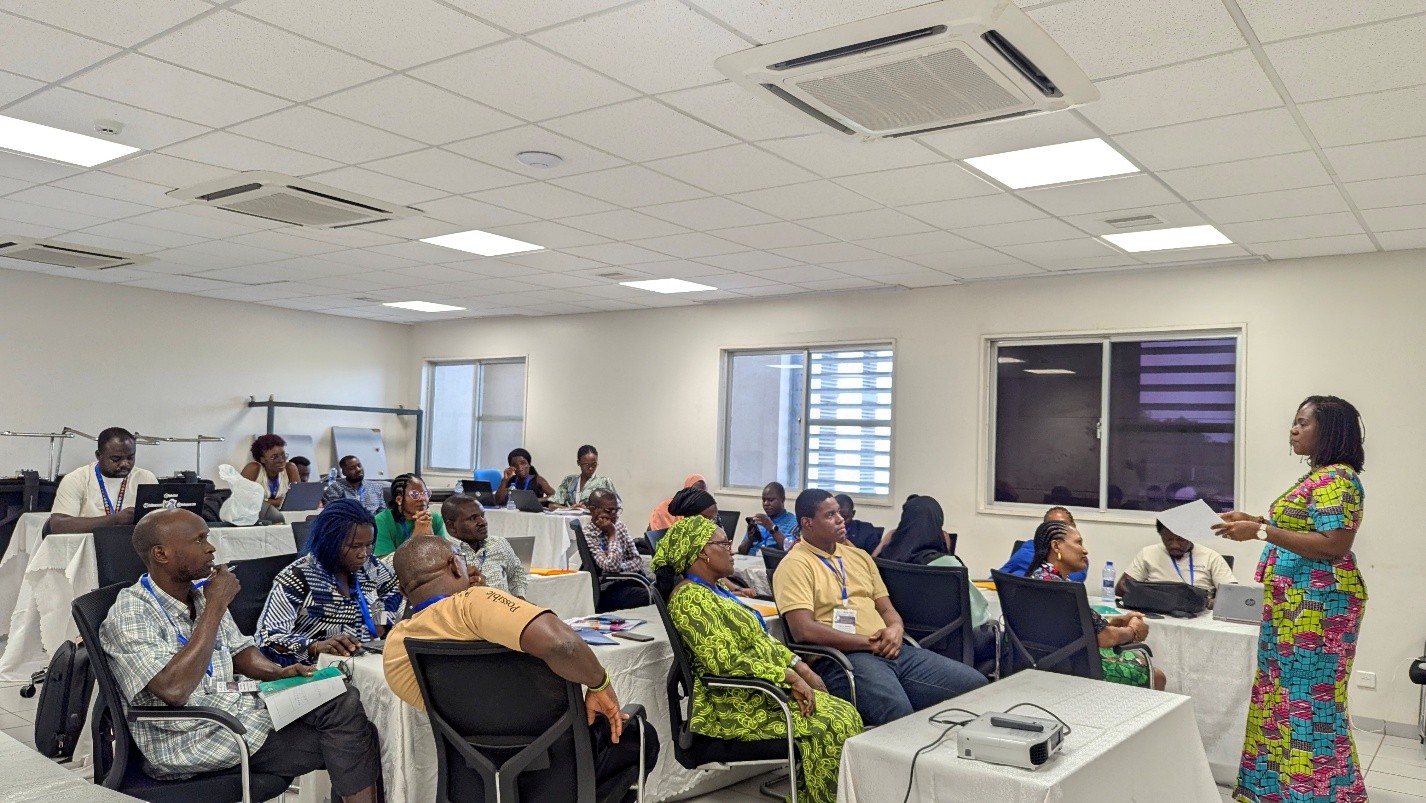
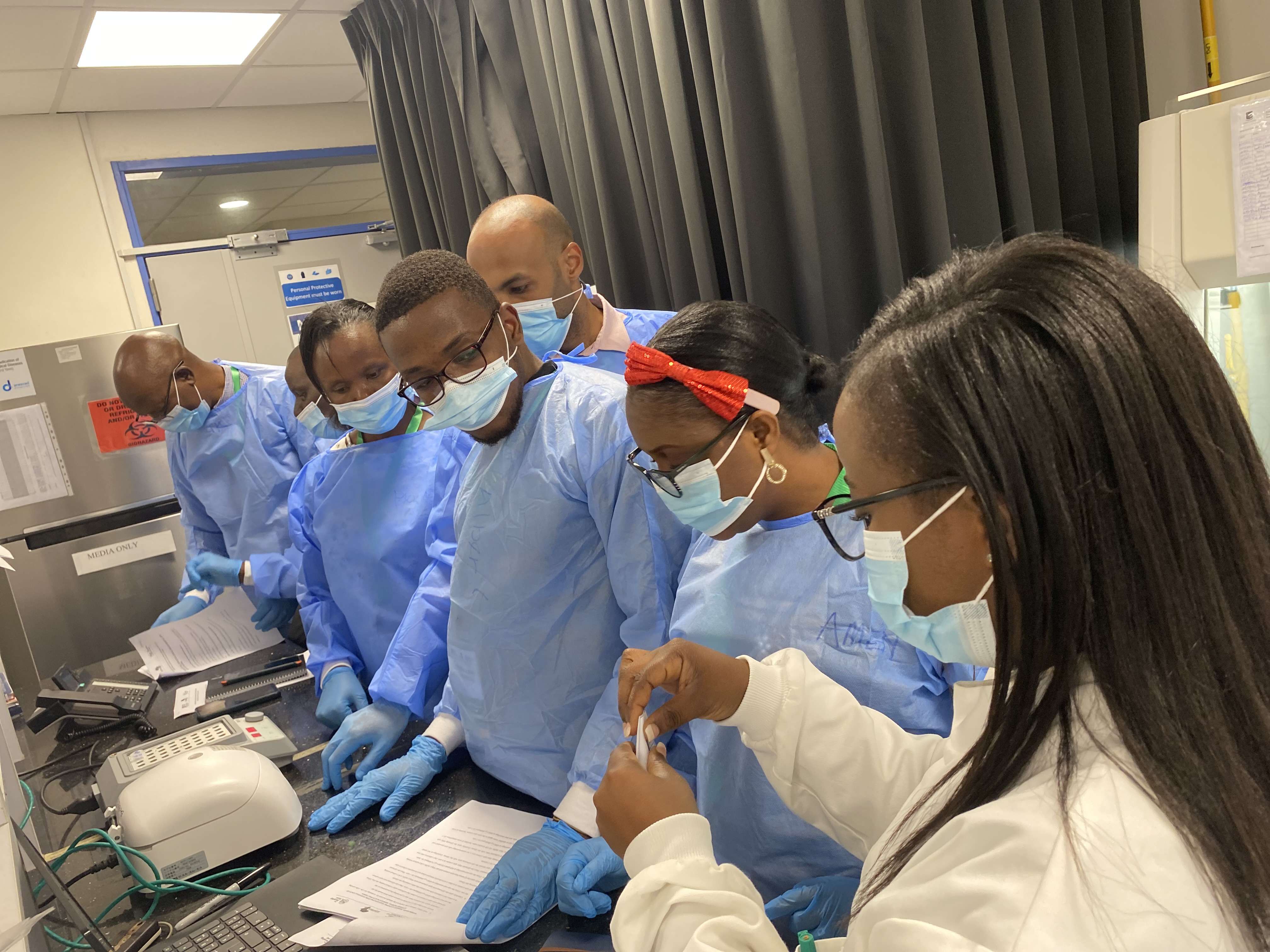
The training combined lectures, hands-on laboratory sessions, case scenarios, and group discussions. Participants were introduced to GLASS-priority pathogens and their epidemiological significance, followed by intensive practical training in media preparation, culture techniques, and phenotypic identification using Gram staining, biochemical testing, and API systems. Automated identification platforms, such as MALDI-ToF and BD Phoenix, were also introduced, allowing participants to compare traditional and automated identification workflows.
A key feature of the training was the integration of case studies, where participants applied microbiological workflows to simulated clinical scenarios, including urinary tract infections, gastrointestinal infections, sexually transmitted infections, and respiratory infections. These exercises strengthened their skills in sample processing, pathogen identification, and AST interpretation within real-world clinical contexts.
Participants were further trained in antimicrobial susceptibility testing using both manual methods (Kirby-Bauer disk diffusion and E-test) and automated systems (BD Phoenix system). Emphasis was placed on standardization, quality control using reference strains, and adherence to internationally recognized guidelines. The identification and interpretation of multidrug-resistant phenotypes such as MRSA, ESBL-producing organisms, CRE, CRAB, and VRE were also covered in detail.
The training also introduced participants to WHONET, a specialized laboratory data management system that supports AMR surveillance, data analysis, and reporting. Additional sessions focused on laboratory equipment operation, maintenance, and biosafety practices, ensuring participants could effectively maintain high-quality diagnostic workflows.
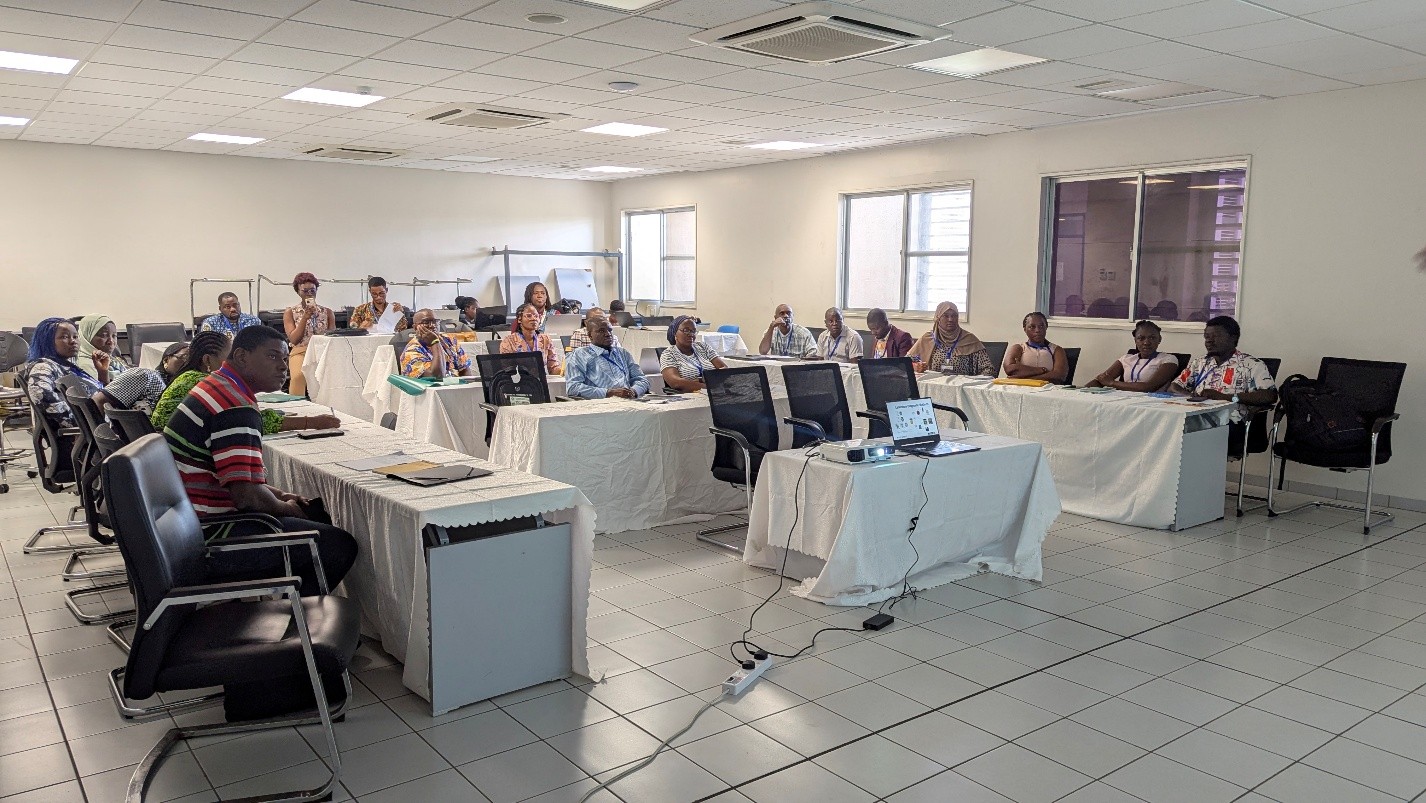
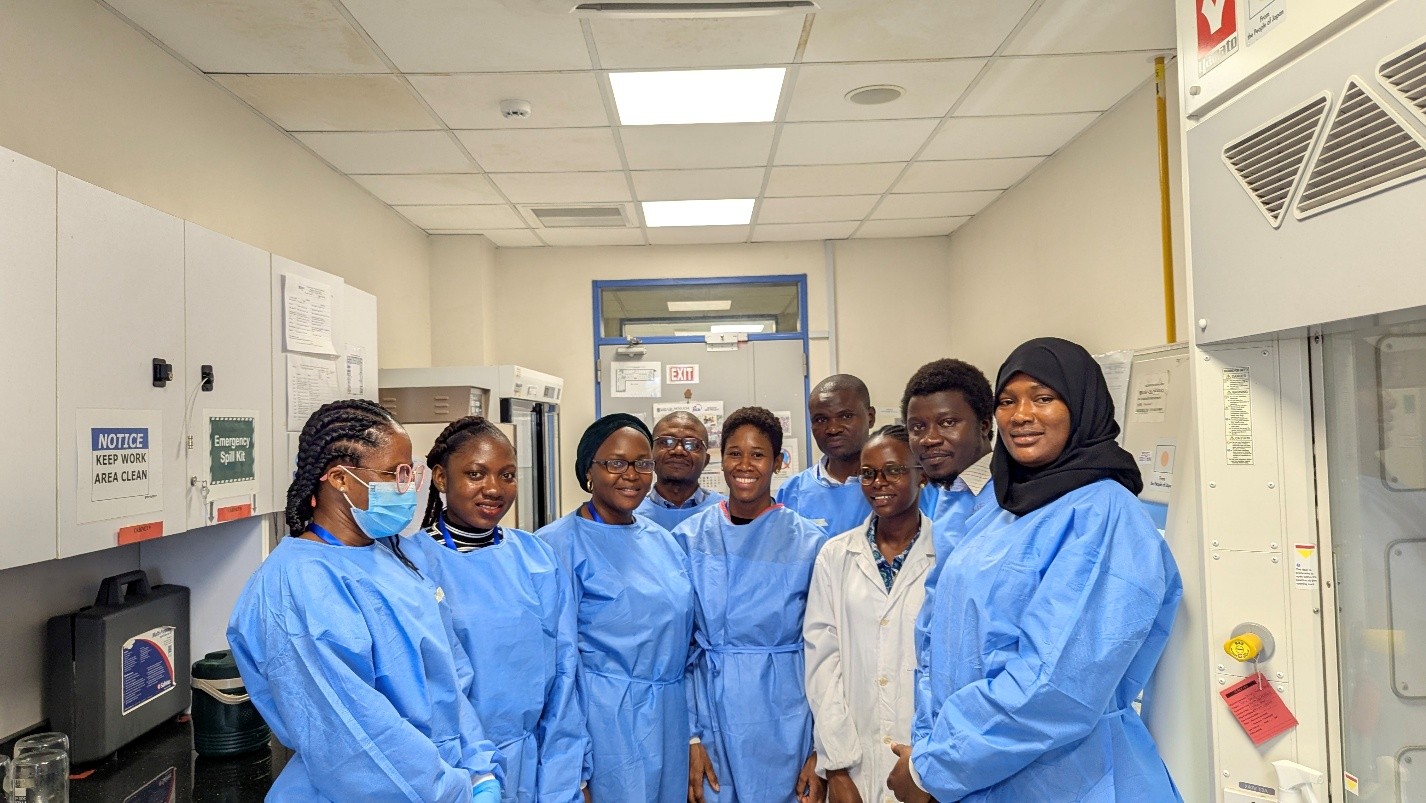
The training concluded with group presentations, where participants demonstrated their diagnostic approaches and reflected on lessons learned. Overall, the ASLM-QWArS training successfully offered participants the opportunity to learn and improve their skills and knowledge in AMR testing, as well as to explore new connections and networks.
qwars1
 qwars2
 qwars3
 qwars4
 qwars5
 qwars6
 qwars7
 qwars8
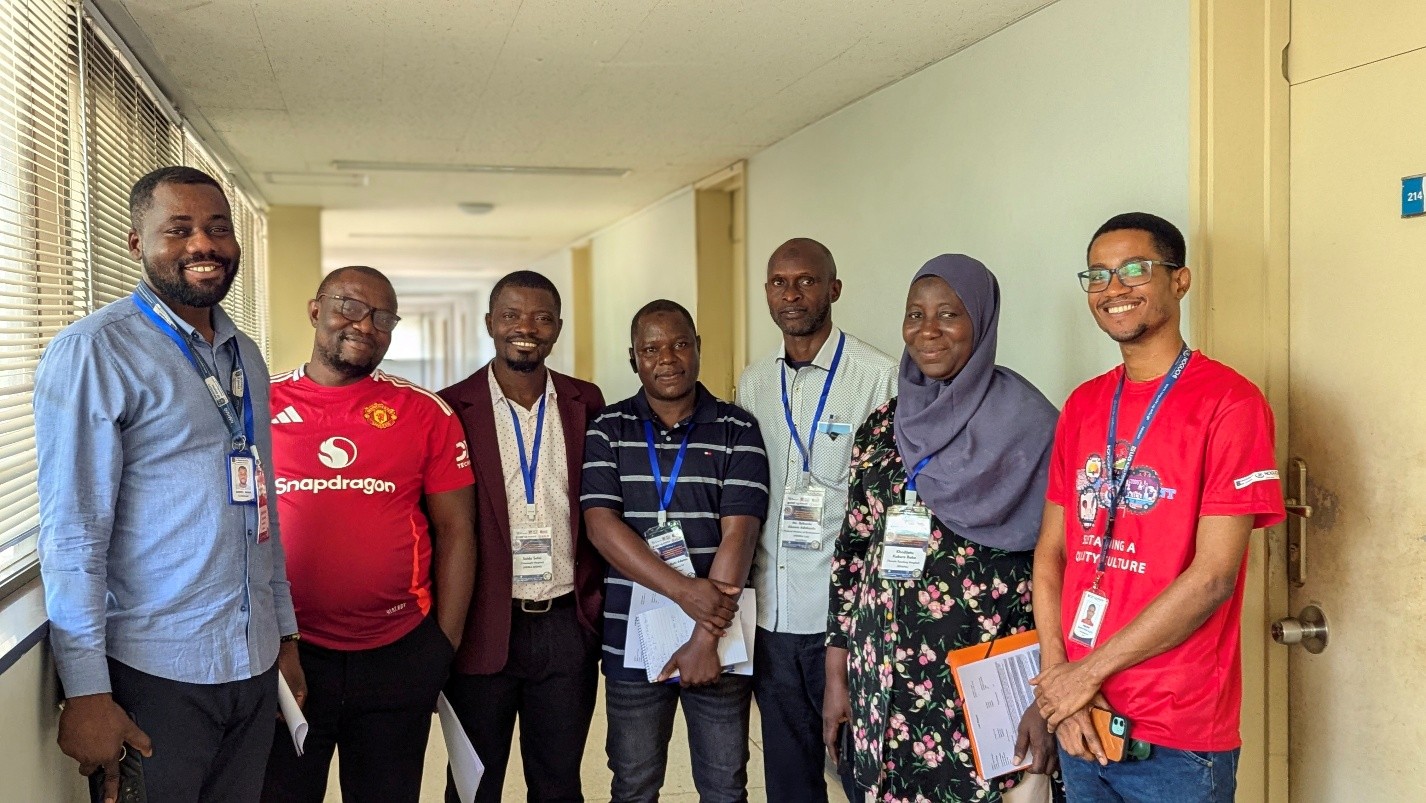 qwars9
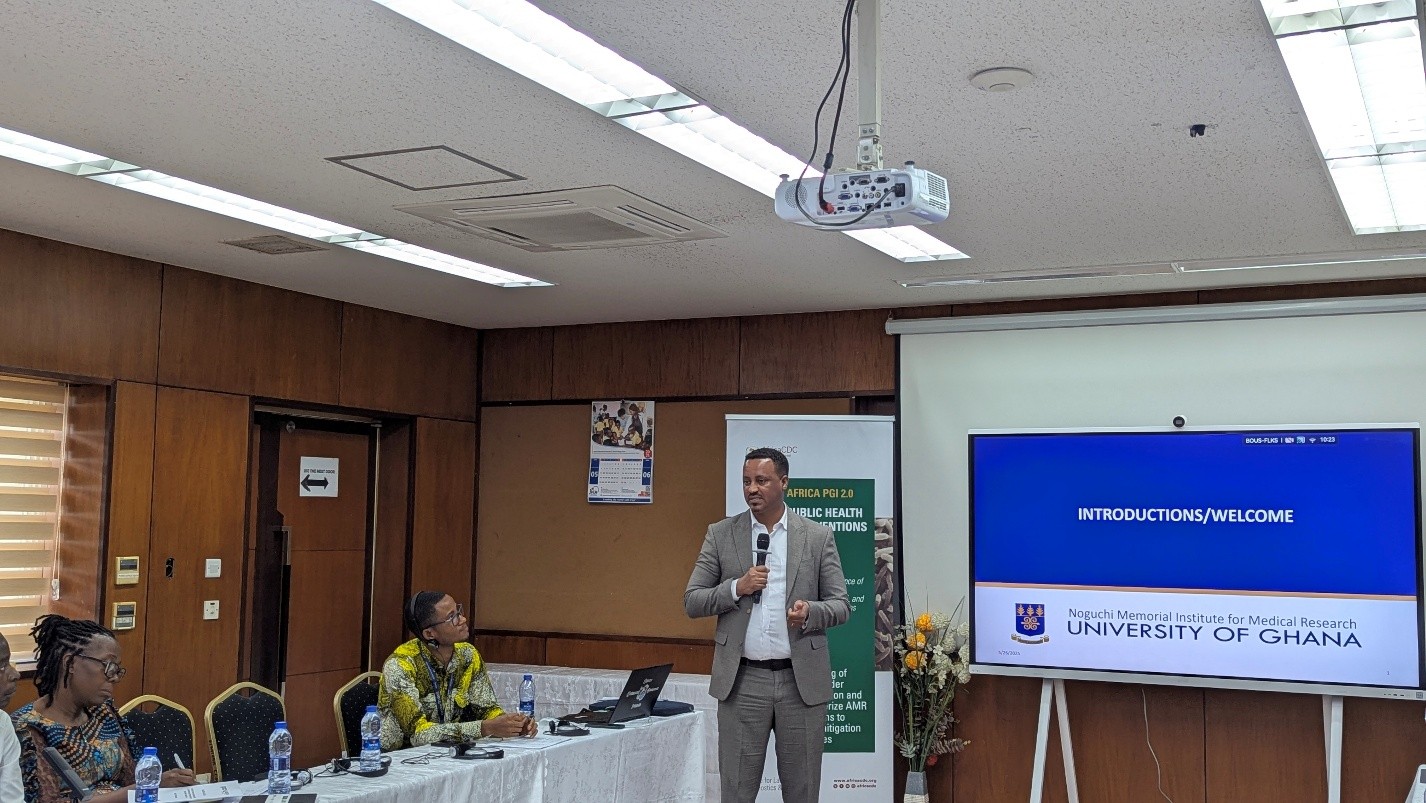
Identification of Pathogens from Bloodstream Infections with Focus on Genomic Sequencing
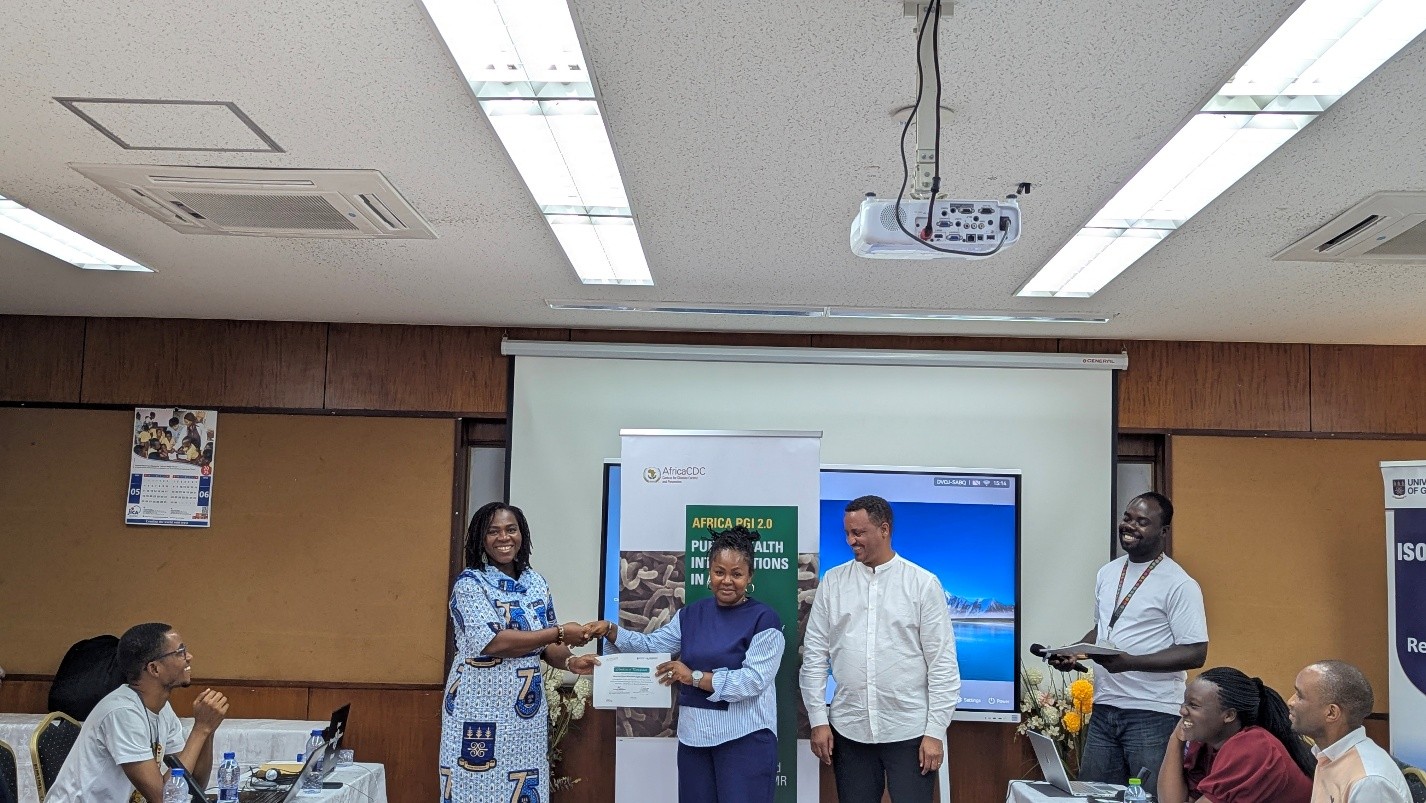
An intensive five-day workshop hosted with the African Union and Africa CDC, focusing on advancing laboratory skills for bloodstream infection diagnostics and genomic surveillance.
Identification of Pathogens from Bloodstream Infections with Focus on Genomic Sequencing
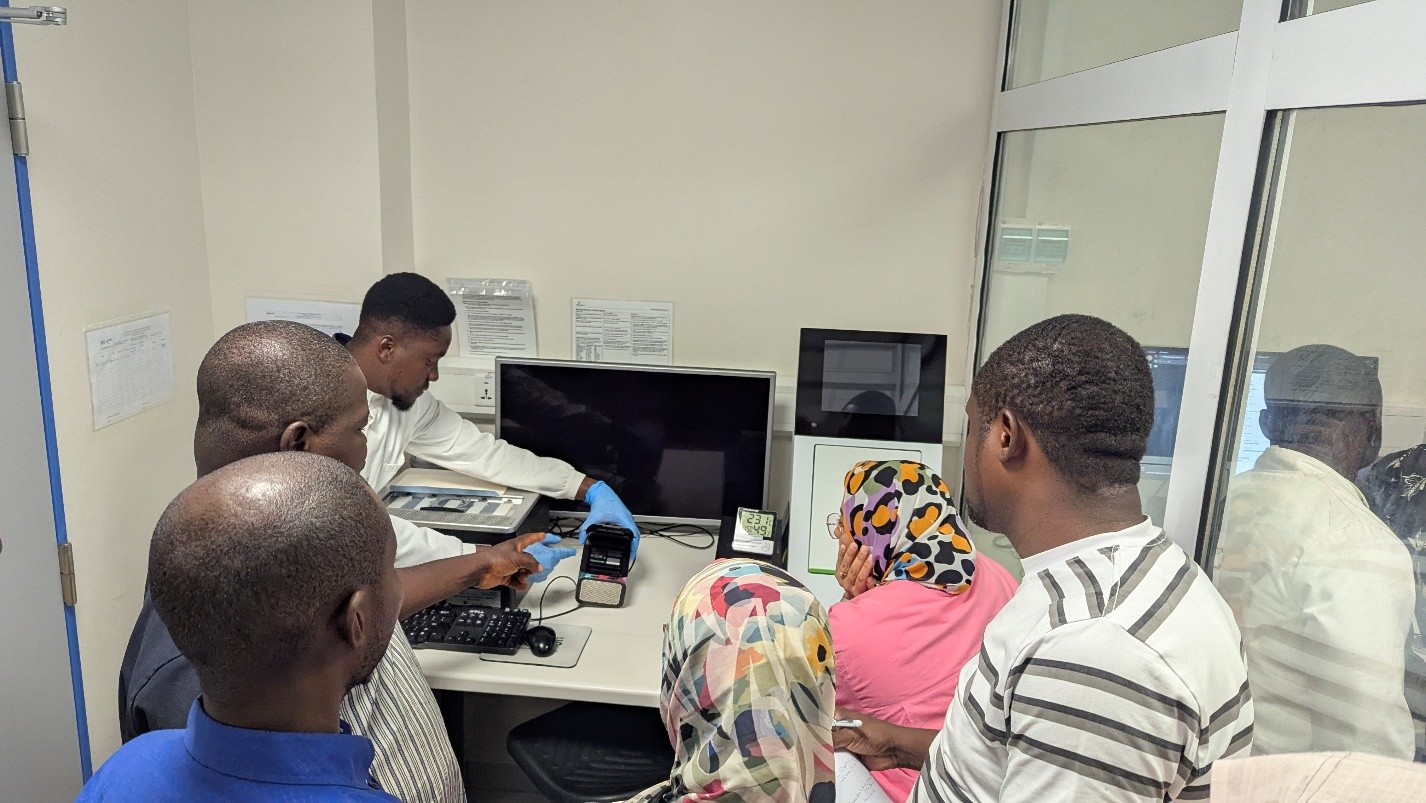
Participants were equipped with both the knowledge and the technical expertise needed to accurately identify bacterial pathogens commonly implicated in bloodstream infections: Escherichia coli, Klebsiella pneumoniae, Pseudomonas spp., Acinetobacter spp., and Enterobacter spp., using phenotypic methods. Participants were also introduced to the principles and processes of molecular identification methods such as Polymerase Chain Reaction (PCR) and whole-genome sequencing (WGS). The training aimed to bridge gaps identified in previous genomic surveillance efforts, where discrepancies have been noted between submitted isolate labels and sequencing results, highlighting the need for improved laboratory practices, quality assurance, and metadata reporting.
The training combined on-site lectures, hands-on laboratory sessions, and group discussions. Participants were trained in blood culture techniques, which included proper sample collection, handling, and incubation using systems such as BACTEC. They practiced phenotypic identification using colony morphology assessment, Gram staining, and Analytical Profile Index (API) systems. The training also introduced automated identification platforms: MALDI-TOF for protein-based identification and the BD Phoenix system for biochemical-based identification.
Participants were then exposed to DNA extraction techniques, library preparation, and sequencing platforms, including both short-read and long-read technologies. They also learned best practices for data quality control and sequencing workflows, reinforcing the importance and necessity of accuracy and consistency from sample collection through to data analysis.
Throughout the training, emphasis was placed on quality assurance, the use of control strains, proper metadata collection, and adherence to standard operating procedures. Discussions highlighted the need for appropriate diagnostic strategies, particularly in resource-limited settings.
Overall, the training provided participants with valuable insights to strengthen their skills and knowledge in bacterial identification with a focus on sequencing, while also fostering collaboration, professional networking, and renewed commitment to regional AMR surveillance efforts.
cdc1
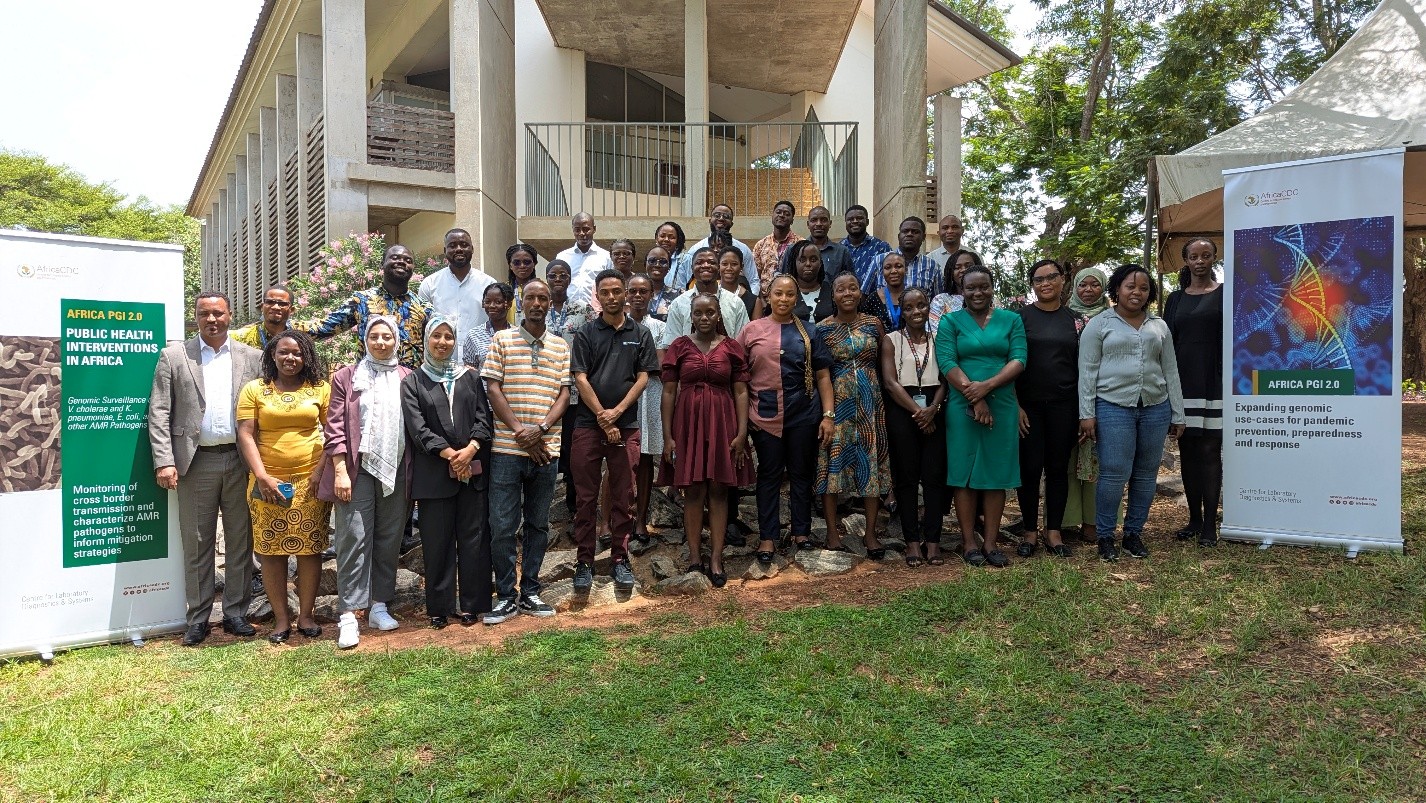 cdc2
cdc2
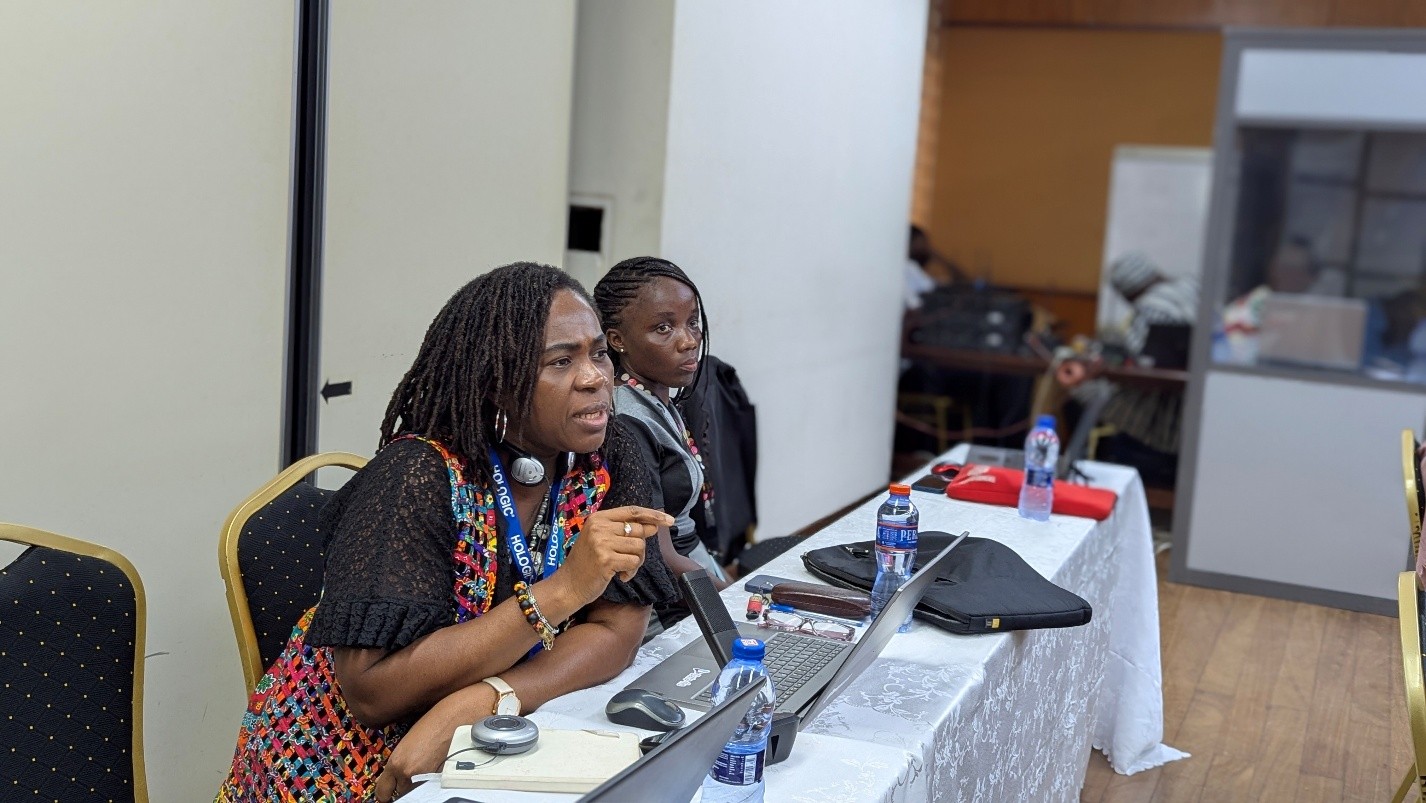 cdc3
cdc3
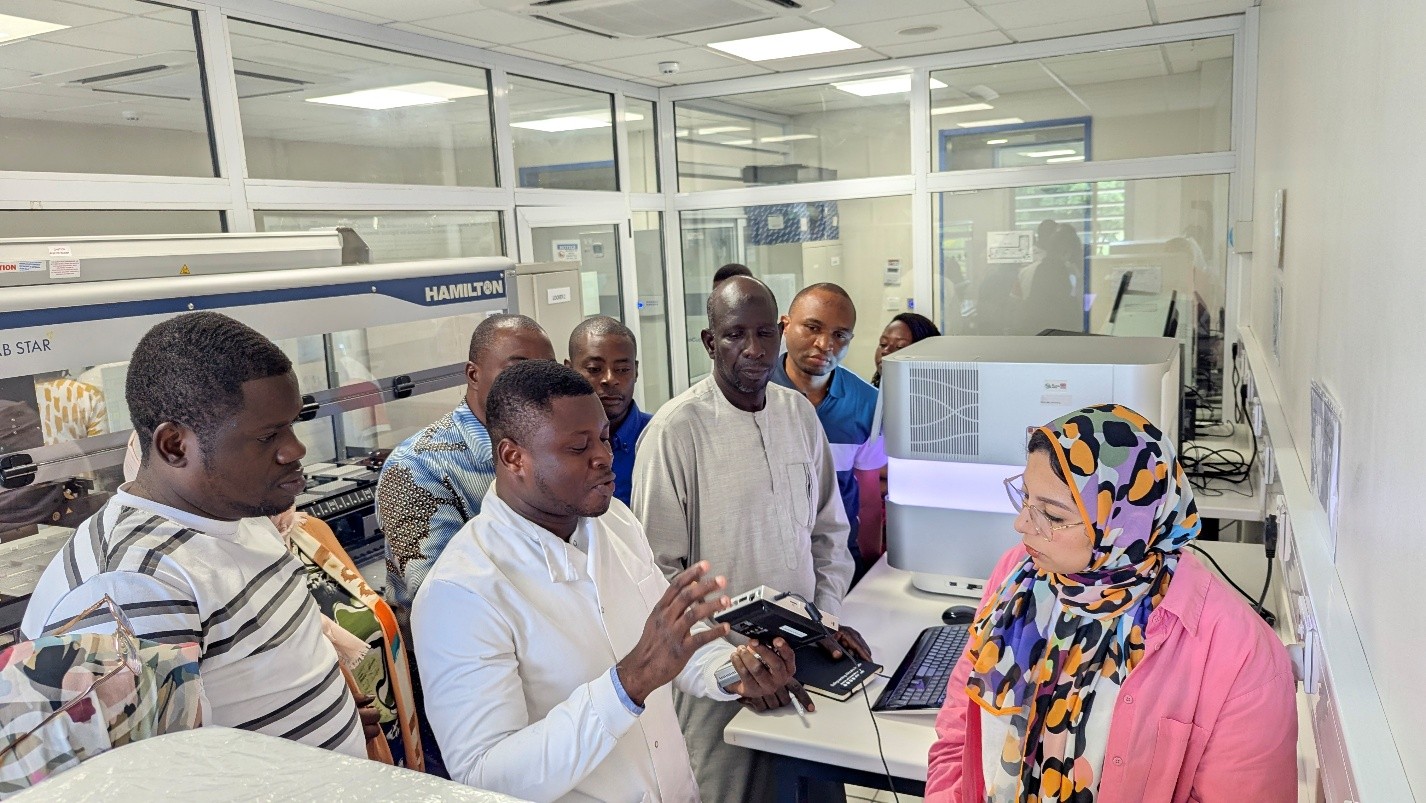 cdc4
cdc4
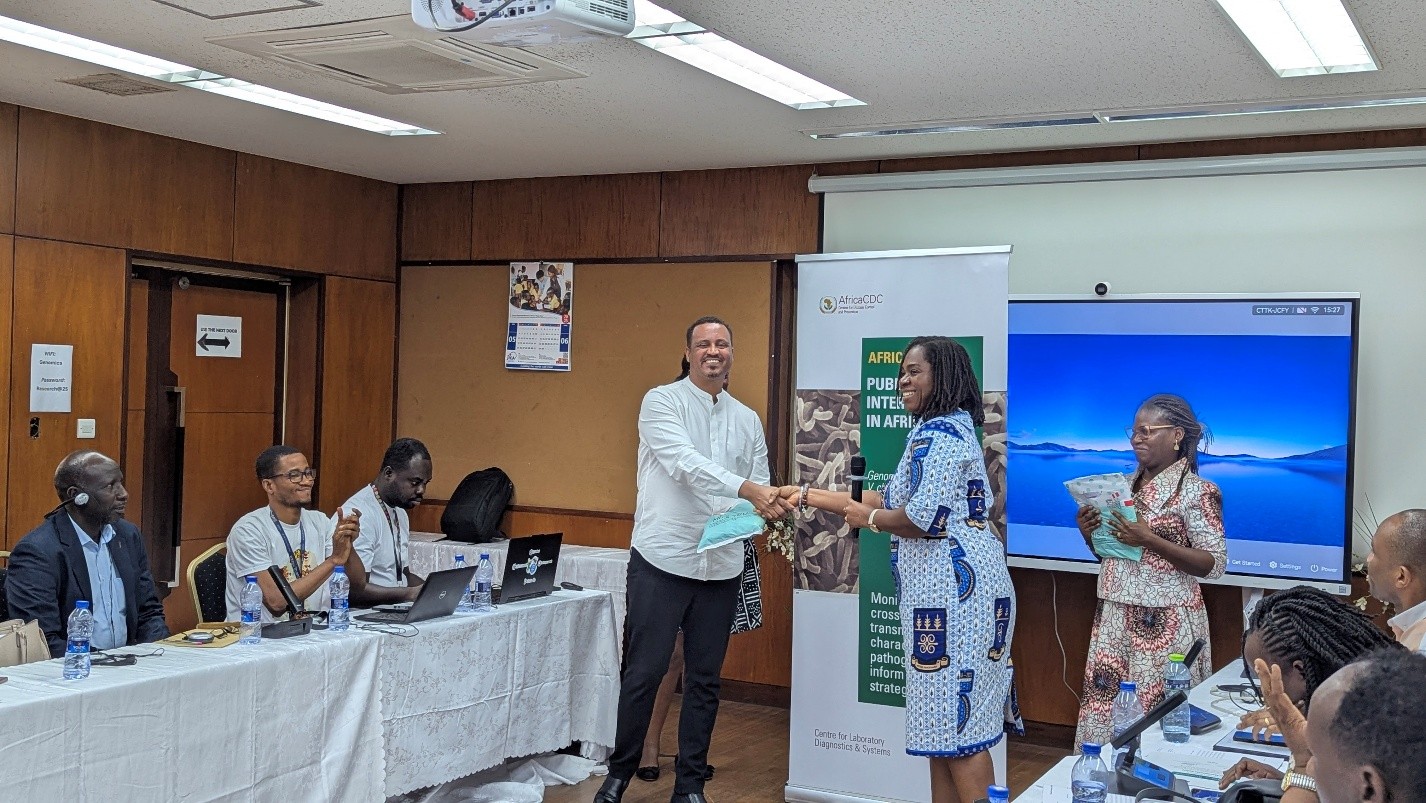 cdc5
cdc5
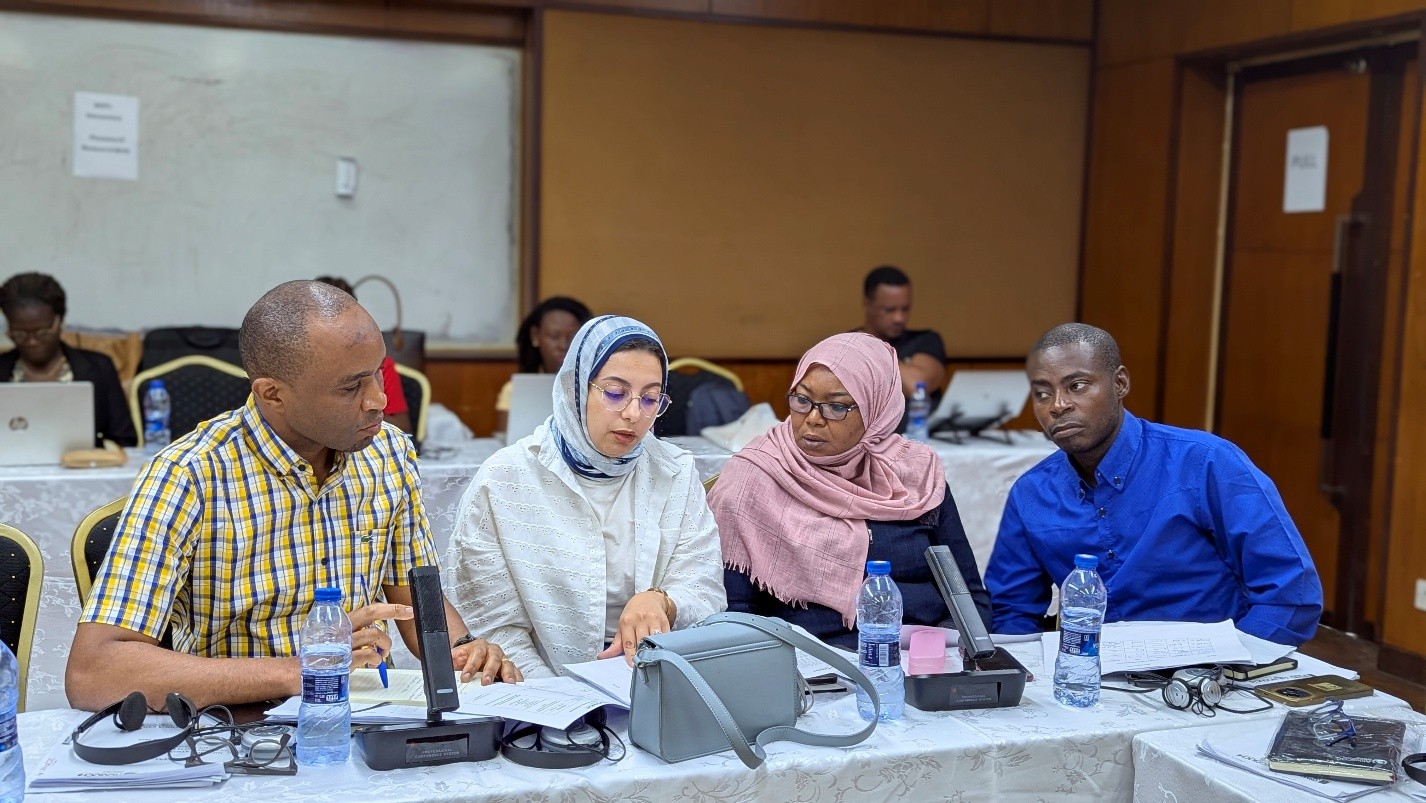 cdc6
cdc6
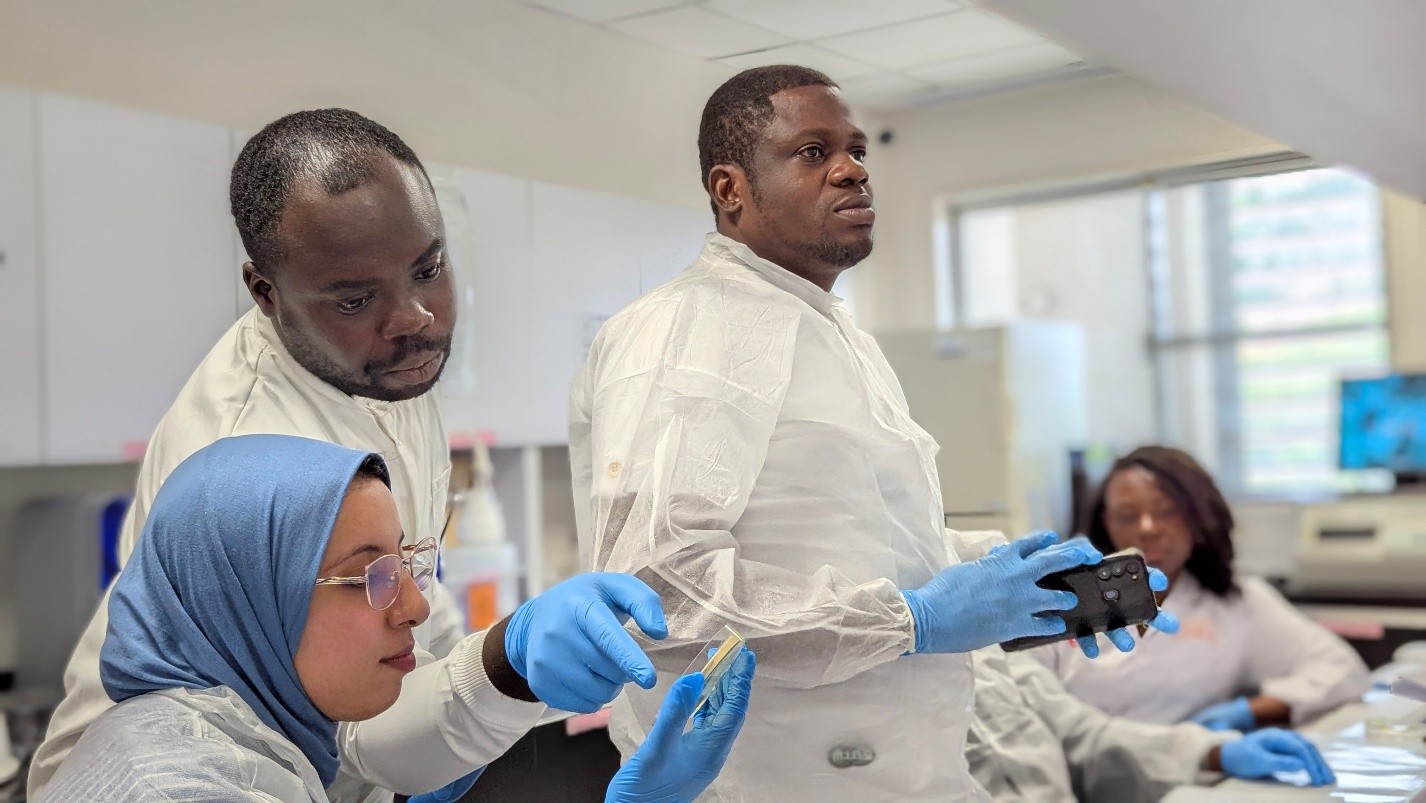 cdc7
cdc7
 cdc8
cdc8
 cdc9
cdc9
SeqAfrica & FAO Training on Microbial Risk Assessment and AMR using Portable DNA Sequencing
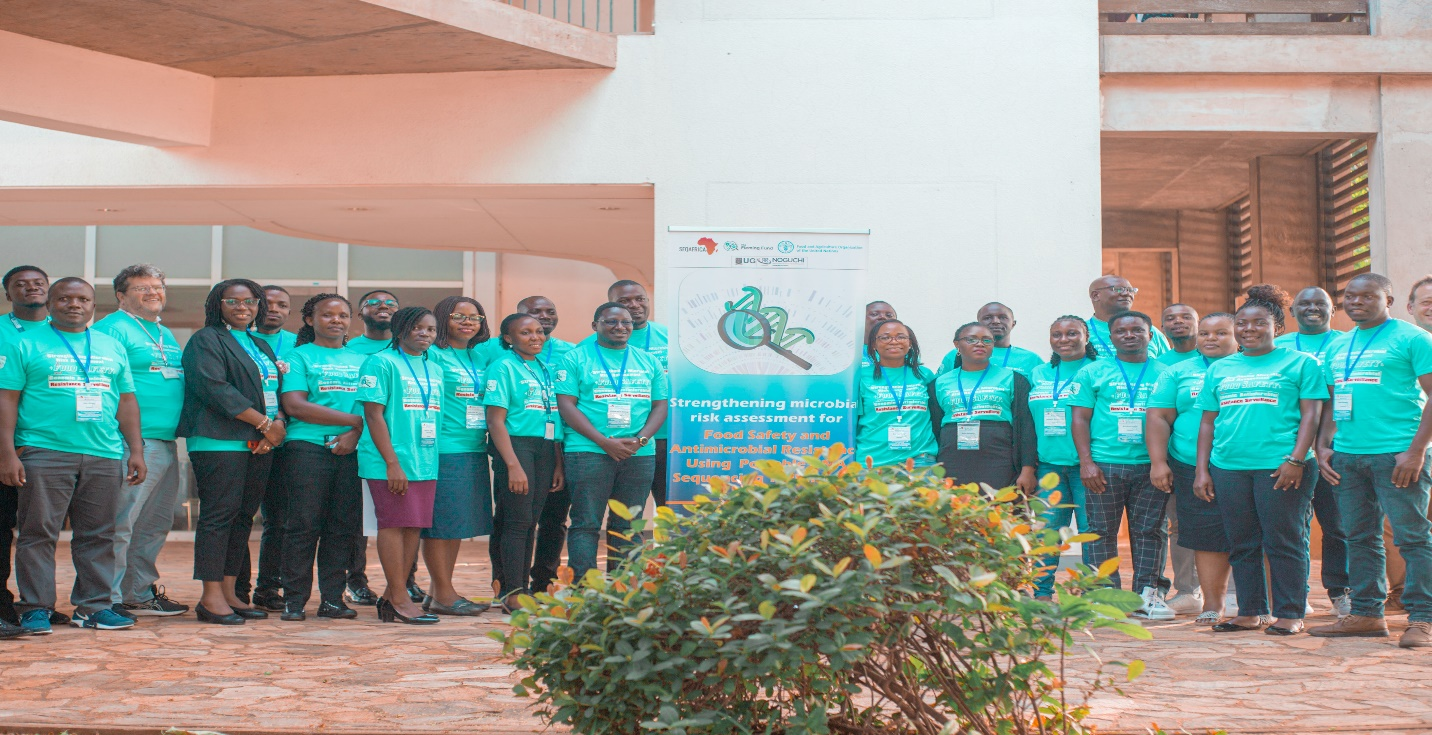
Participants learned portable sequencing approaches for rapid microbial risk assessment and foodborne AMR monitoring using ONT technology.
SeqAfrica & FAO Training on Microbial Risk Assessment and AMR using Portable DNA Sequencing
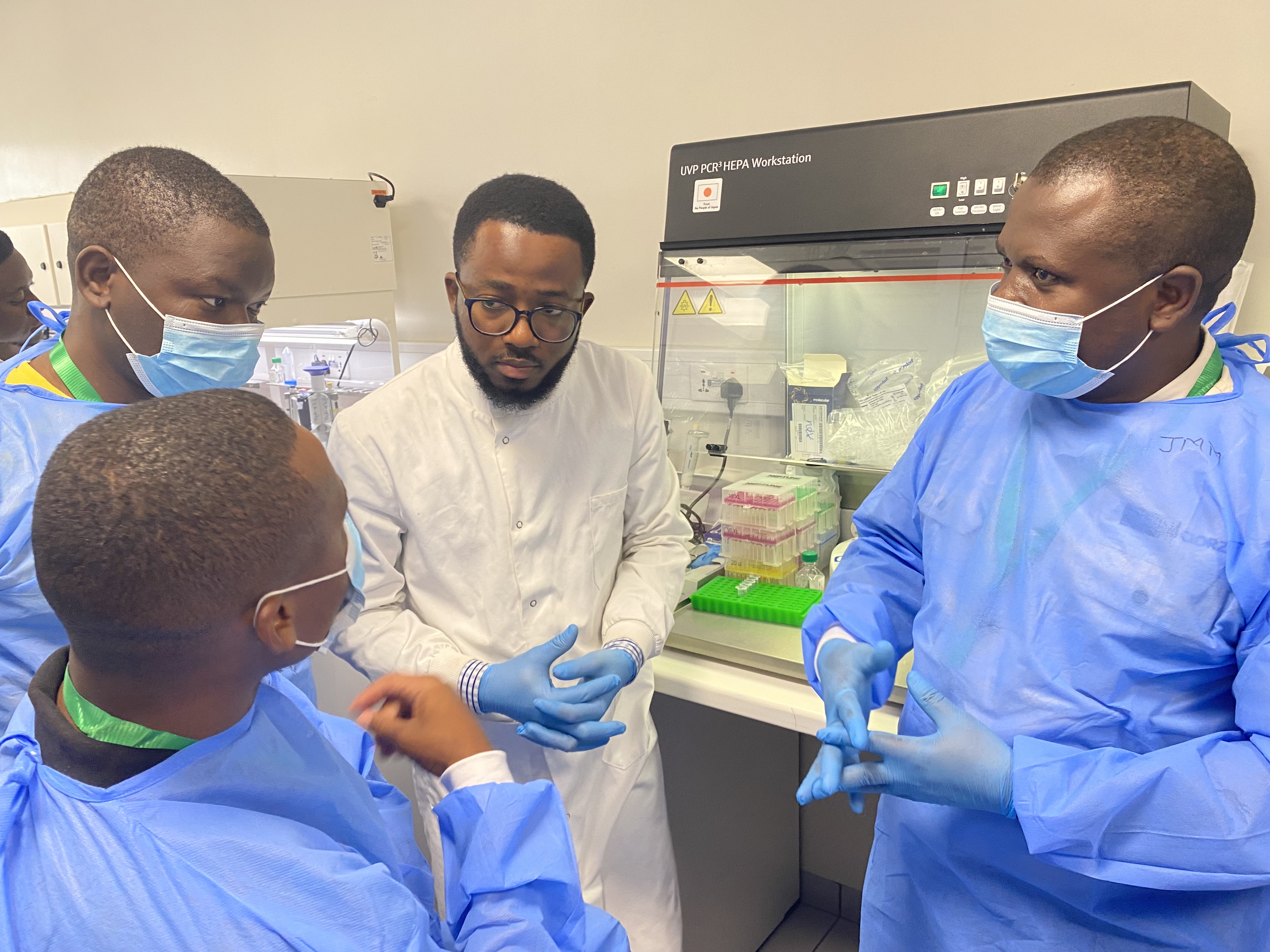
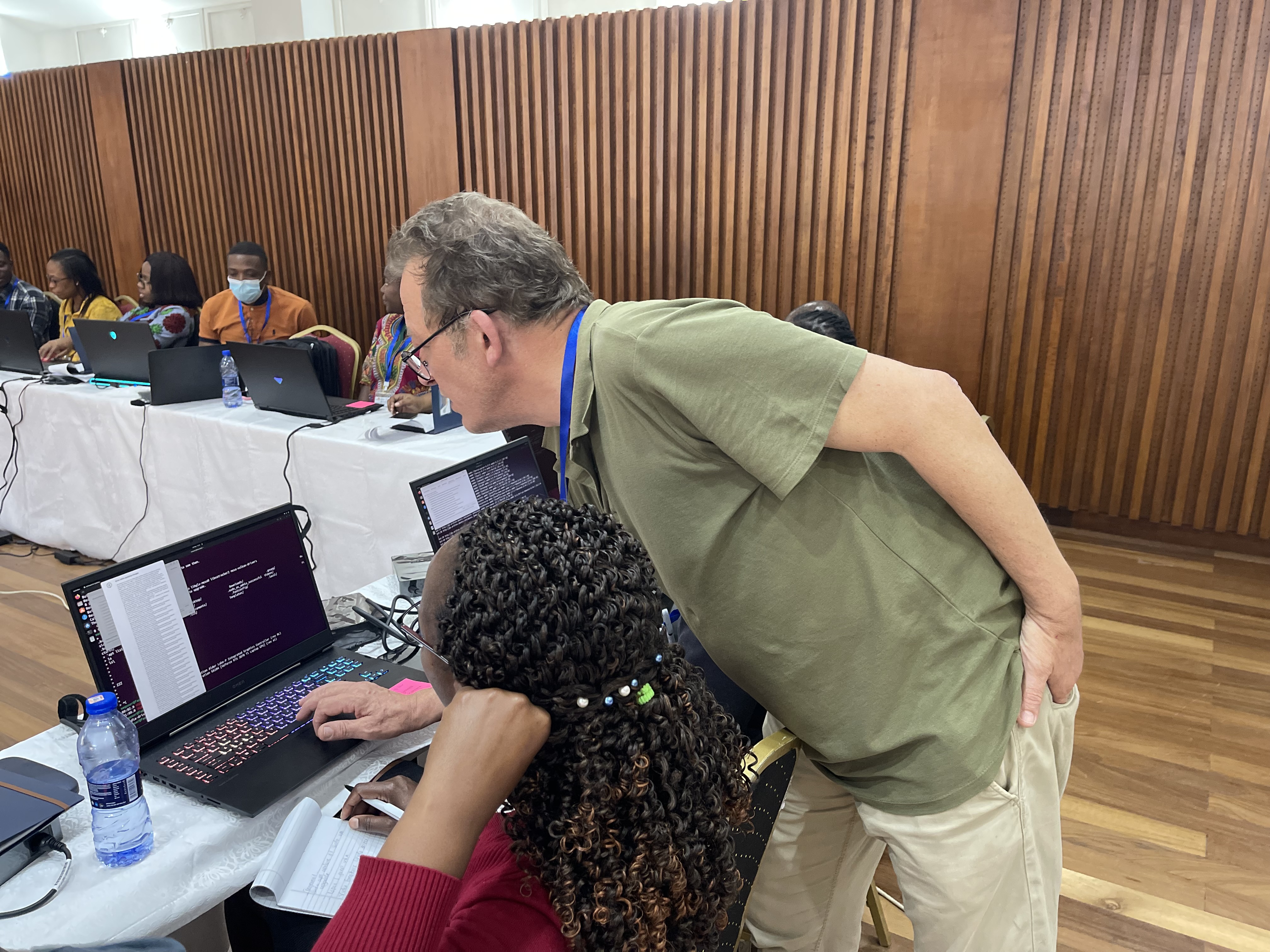
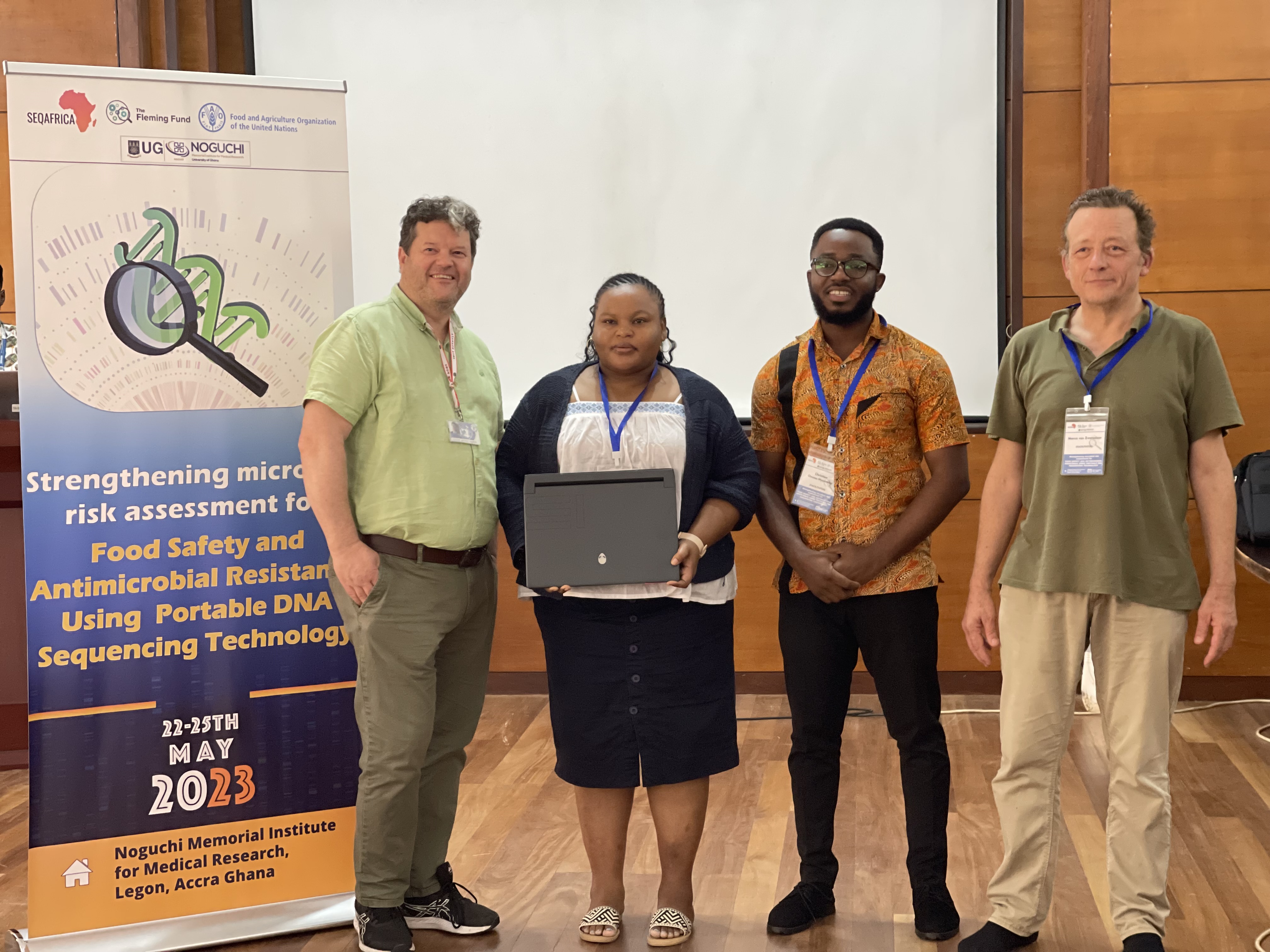
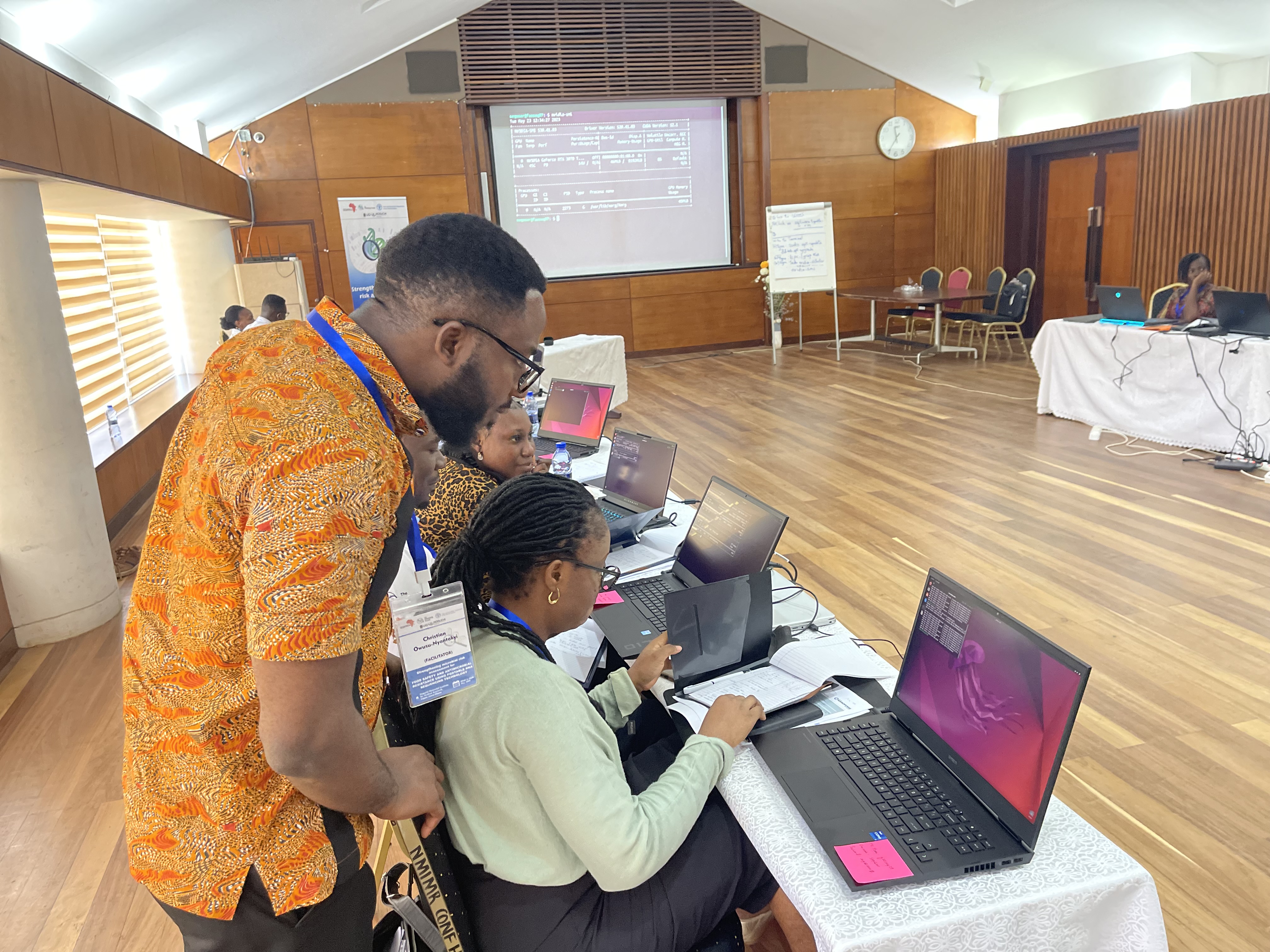
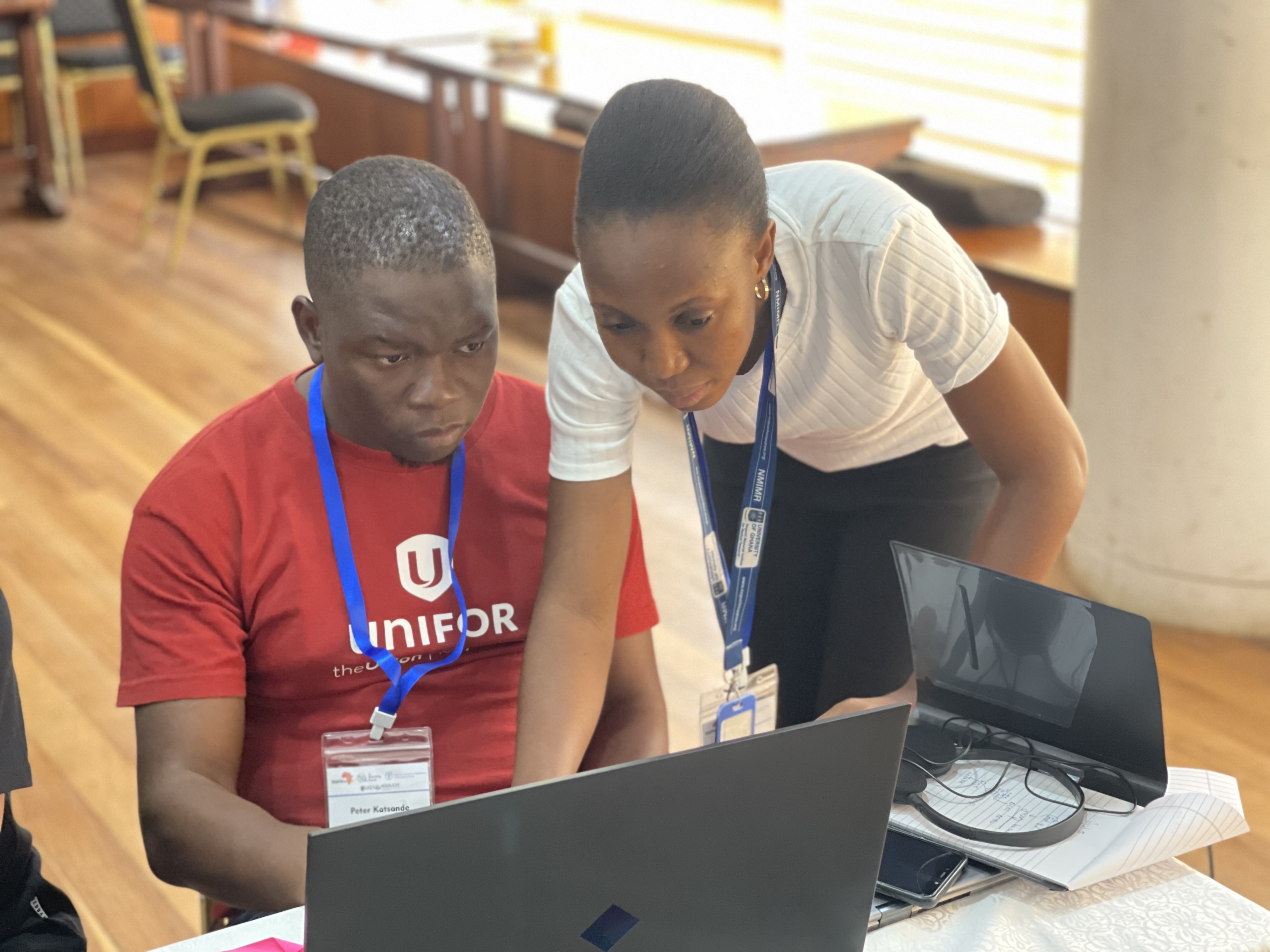
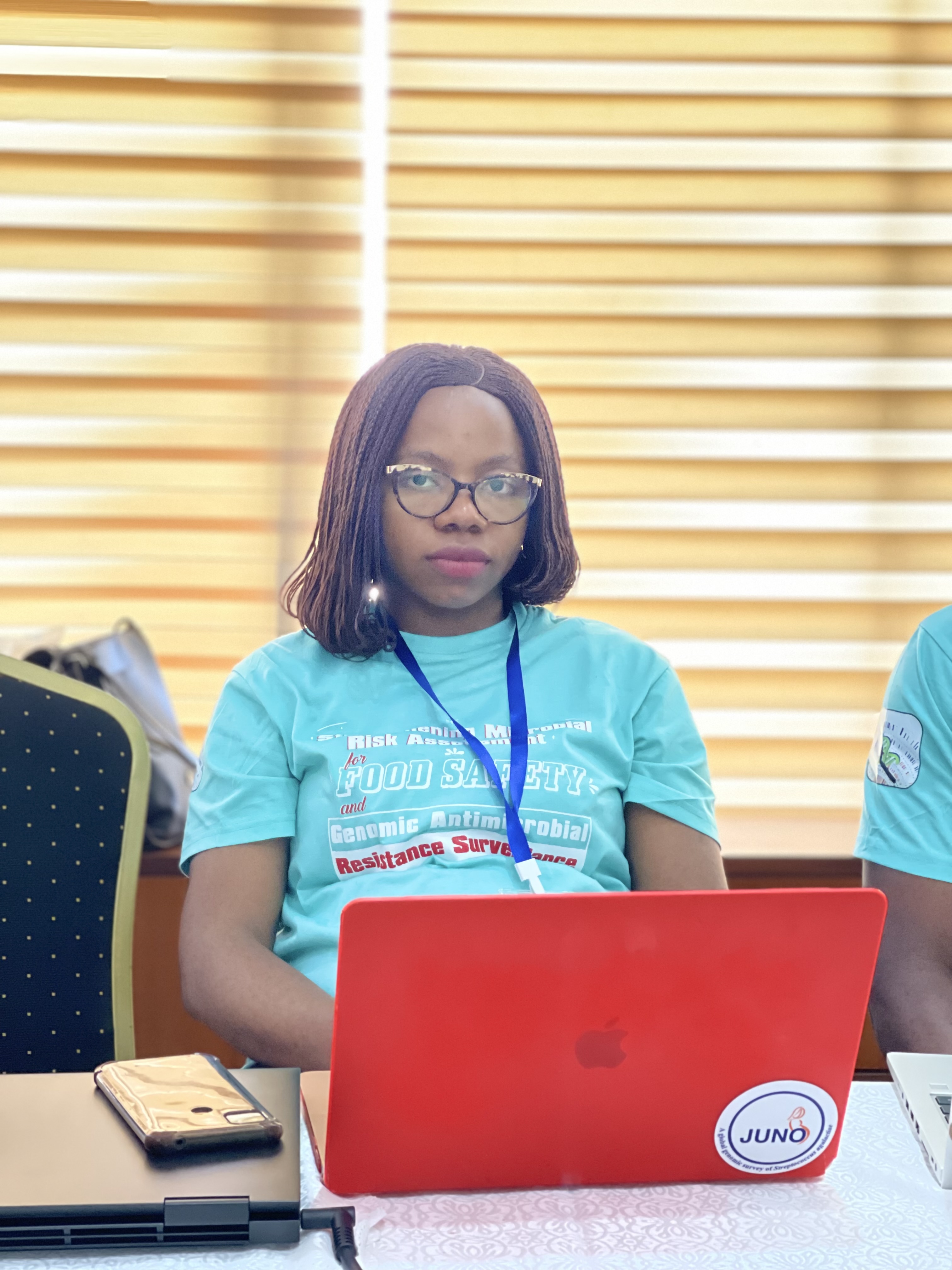
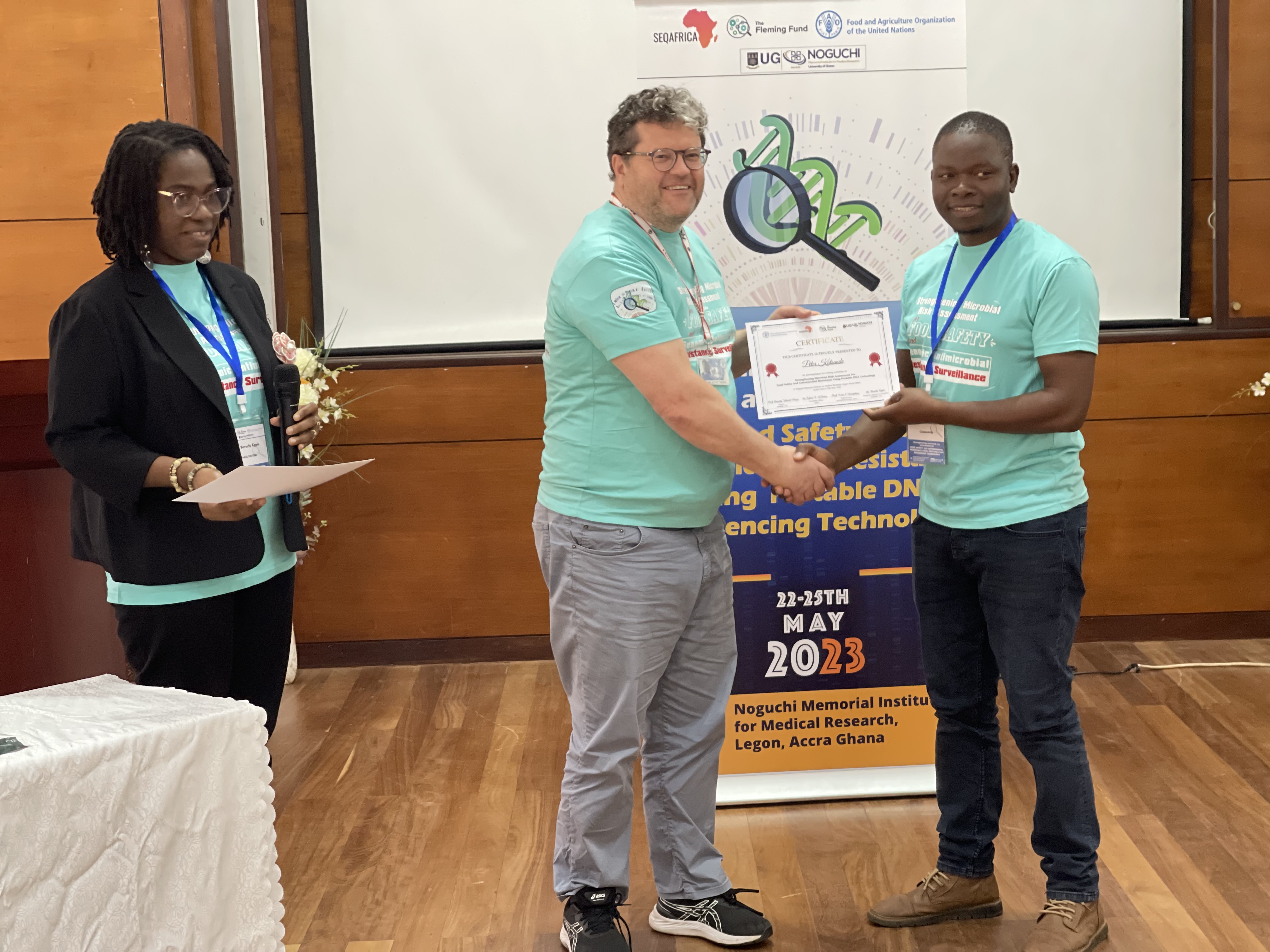
Participants from nine African nations attended the training, which was funded by the Fleming Fund, FAO, and SeqAfrica. It focused on employing Oxford Nanopore Technologies (ONT) for AMR surveillance and sought to increase capacity in both wet lab and bioinformatics (dry lab) skills.
Participants gained practical experience in:
Using the MinION platform to prepare and sequence DNA libraries
• Identification of resistance and virulence genes and genome assembly are examples of bioinformatics analysis.
• Utilising important genetic analytic technologies like MOSS, CGE platforms, and Flye
The workshop included group projects, practical exercises, and lectures. At the conclusion of the session, participants evaluated actual sequencing data and shared their conclusions. Each participant received a laptop and sequencing device to use at their home institutions in order to enable ongoing learning and implementation. The training improved regional cooperation and gave participants the genetic tools they needed to increase food safety and AMR surveillance throughout Africa.
faopic1
 faopic2
 faopic3
 faopic4
 faopic5
 faopic6
 faopic7
 faopic8
 faopic9
SeqAfrica Workshop on WGS and AMR Surveillance in Bacterial Species
Brought together scientists from eleven African countries to develop technical capacity for bacterial AMR WGS and genomic data management.
SeqAfrica Workshop on WGS and AMR Surveillance in Bacterial Species
Workshop: WGS for Surveillance of Antimicrobial Resistance in Bacteria
(3rd October – 14th October 2022)
The 10-day workshop on Whole Genome Sequencing for surveillance of antimicrobial resistance in bacteria was held from 3rd October 2022 to 14th October 2022. This workshop took place at the Noguchi Memorial Institute for Medical Research with 28 participants from 10 African countries attending. Namely; Ghana, Benin, Nigeria, Zambia, Malawi, Kenya, Zimbabwe, Cameroon, Sudan and Eswatini.
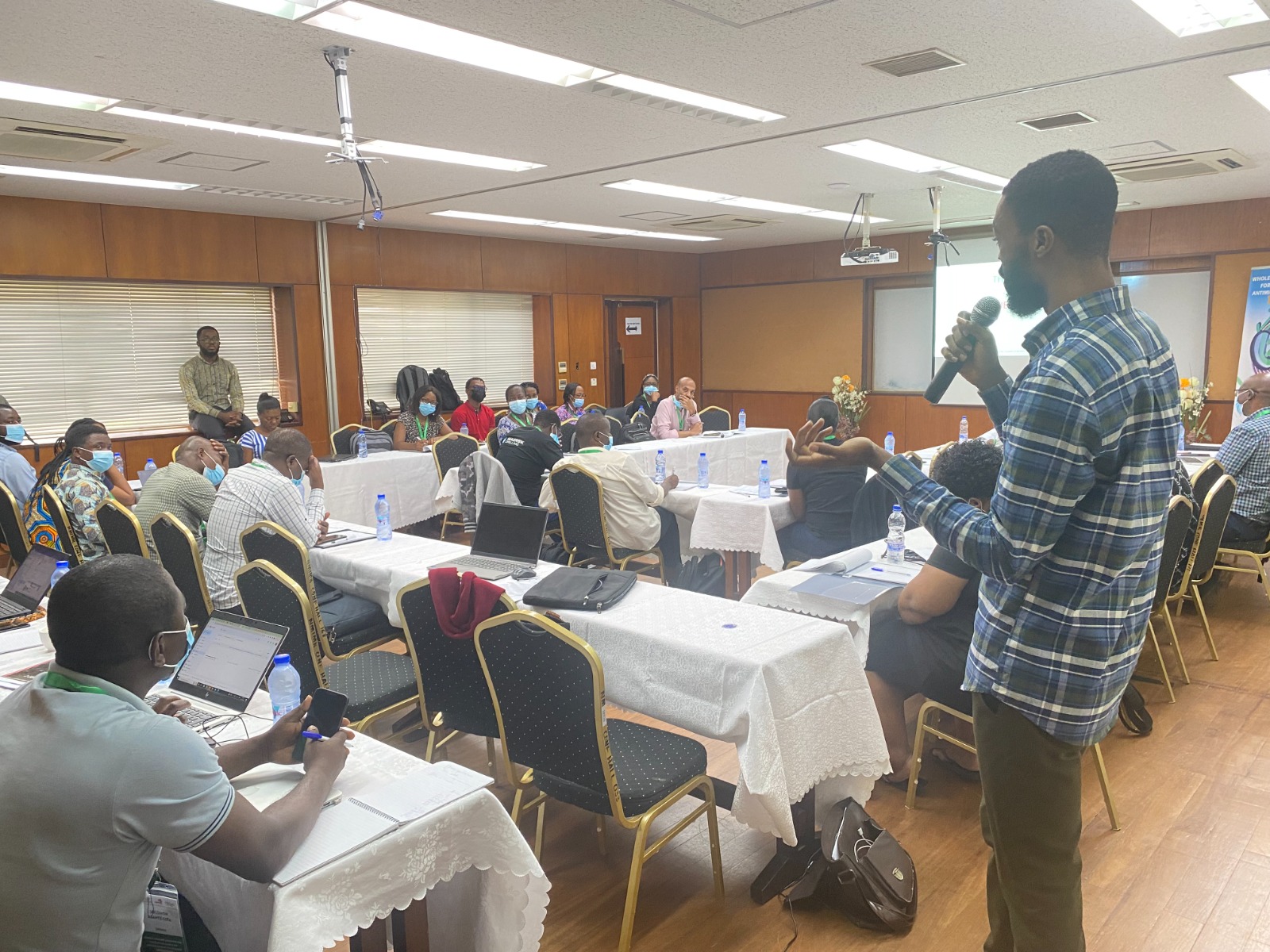
On the first day for the training, participants arrived to the venue in the morning. They were warmly welcomed to Ghana, to UG and for the training by the facilitators led by Dr Beverly Egyir. Afterwards participants took turns to state their names, their countries and their expectations for the workshop by way of introducing themselves. The director of NMIMR, Prof. Dorothy Yeboah-Manu passed through to welcome participants and encourage them to learn and help with the fight against AMR. A group photo was taken with her after her brief address. Participants were taken on a tour of the NMIMR ARL facility by the facilitators. The provost of the college of health UG, Prof. Julius Fobil also honored his invitation and came to give a brief amazing address. Everyone had a good laugh and a group picture was taken with him as well. The lectures for the day followed after the welcome addresses.
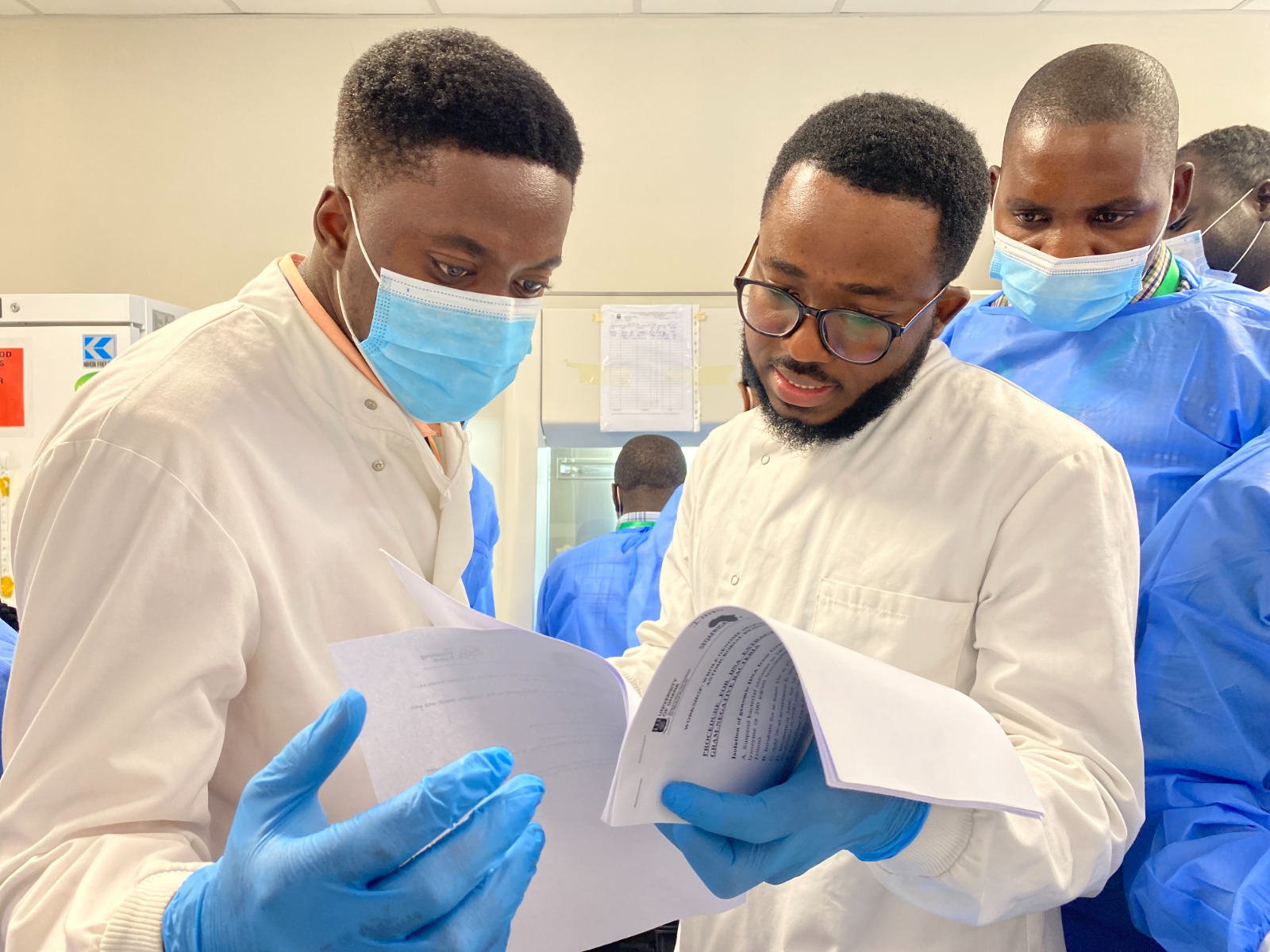
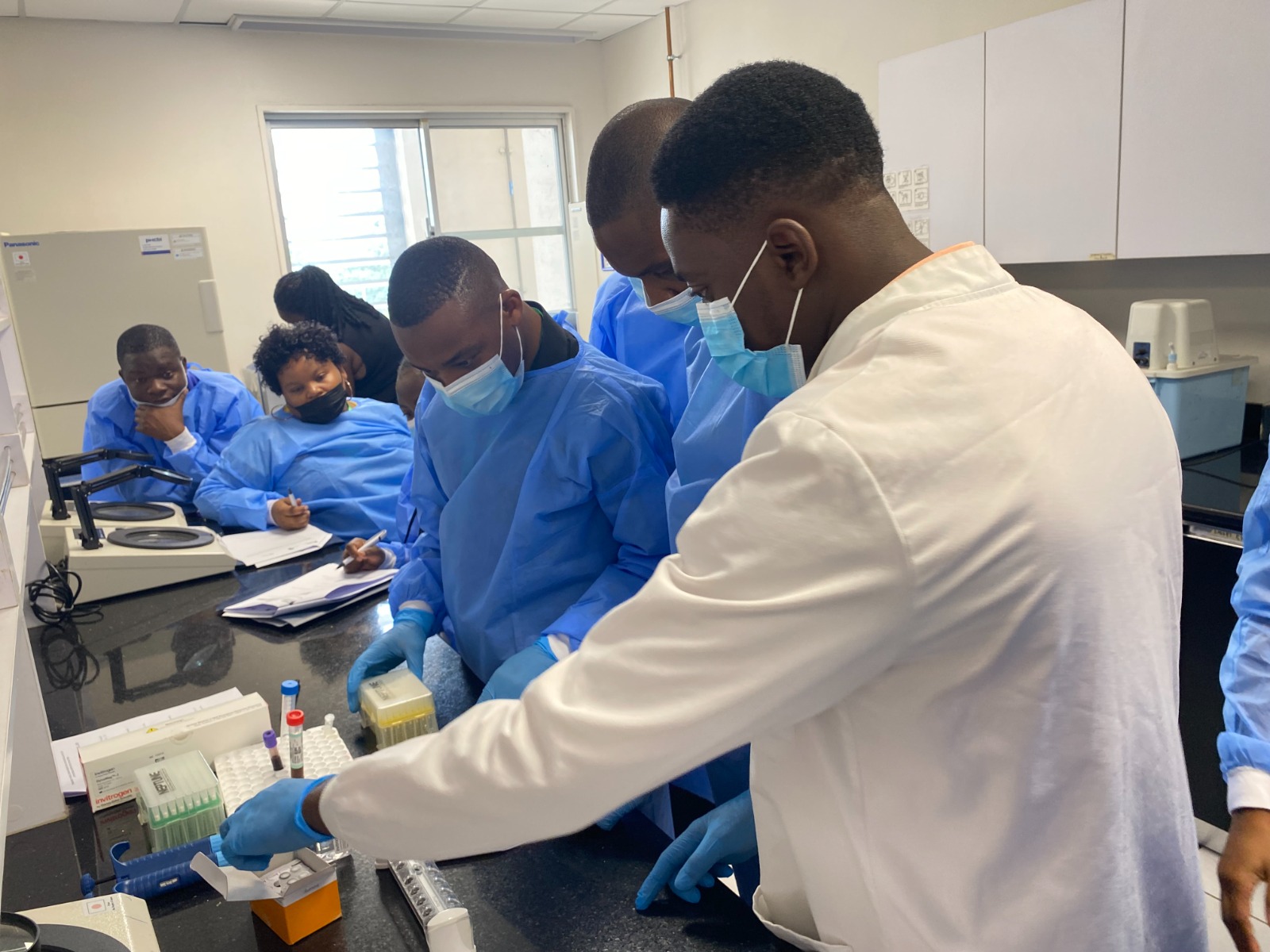
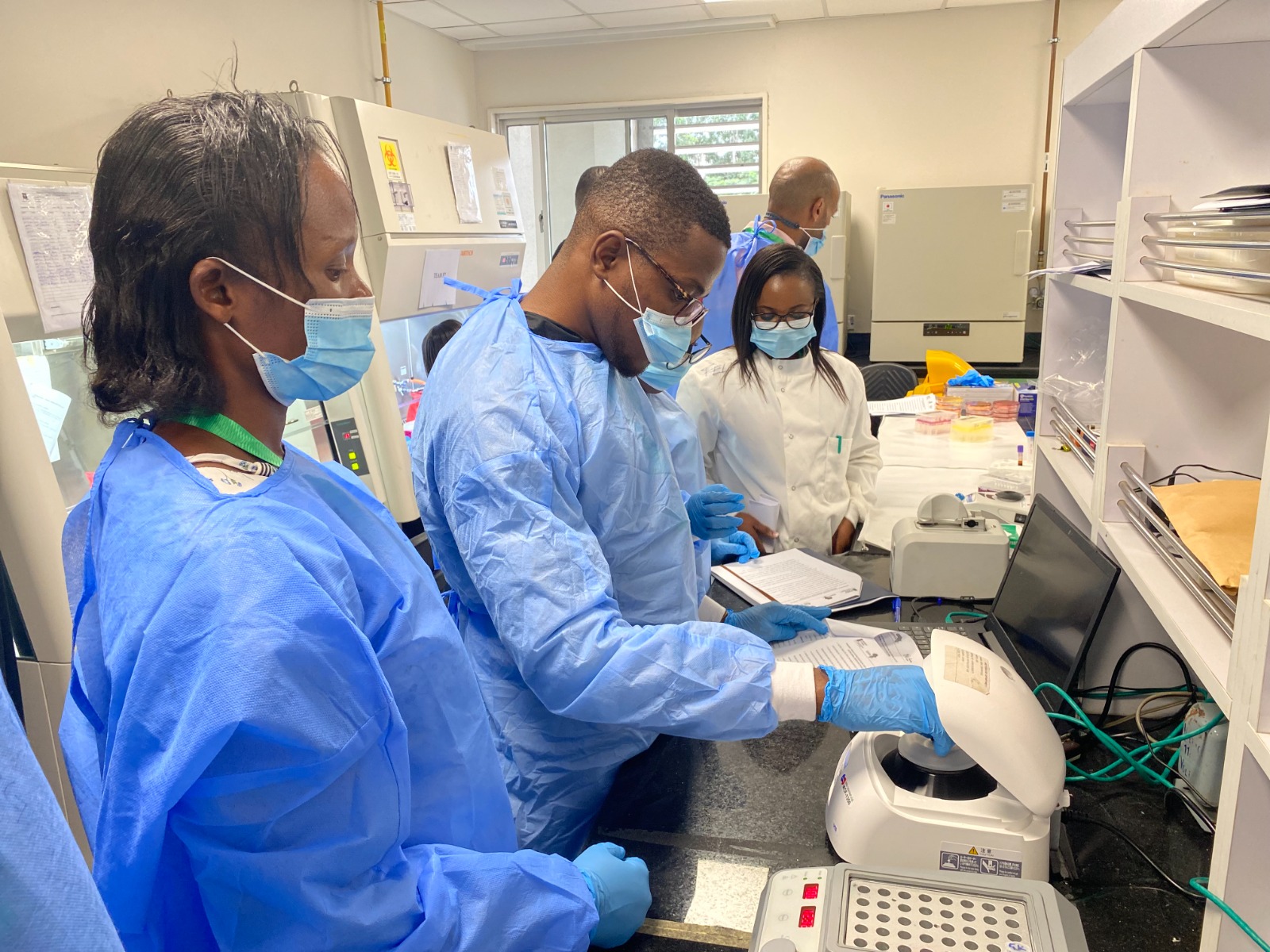
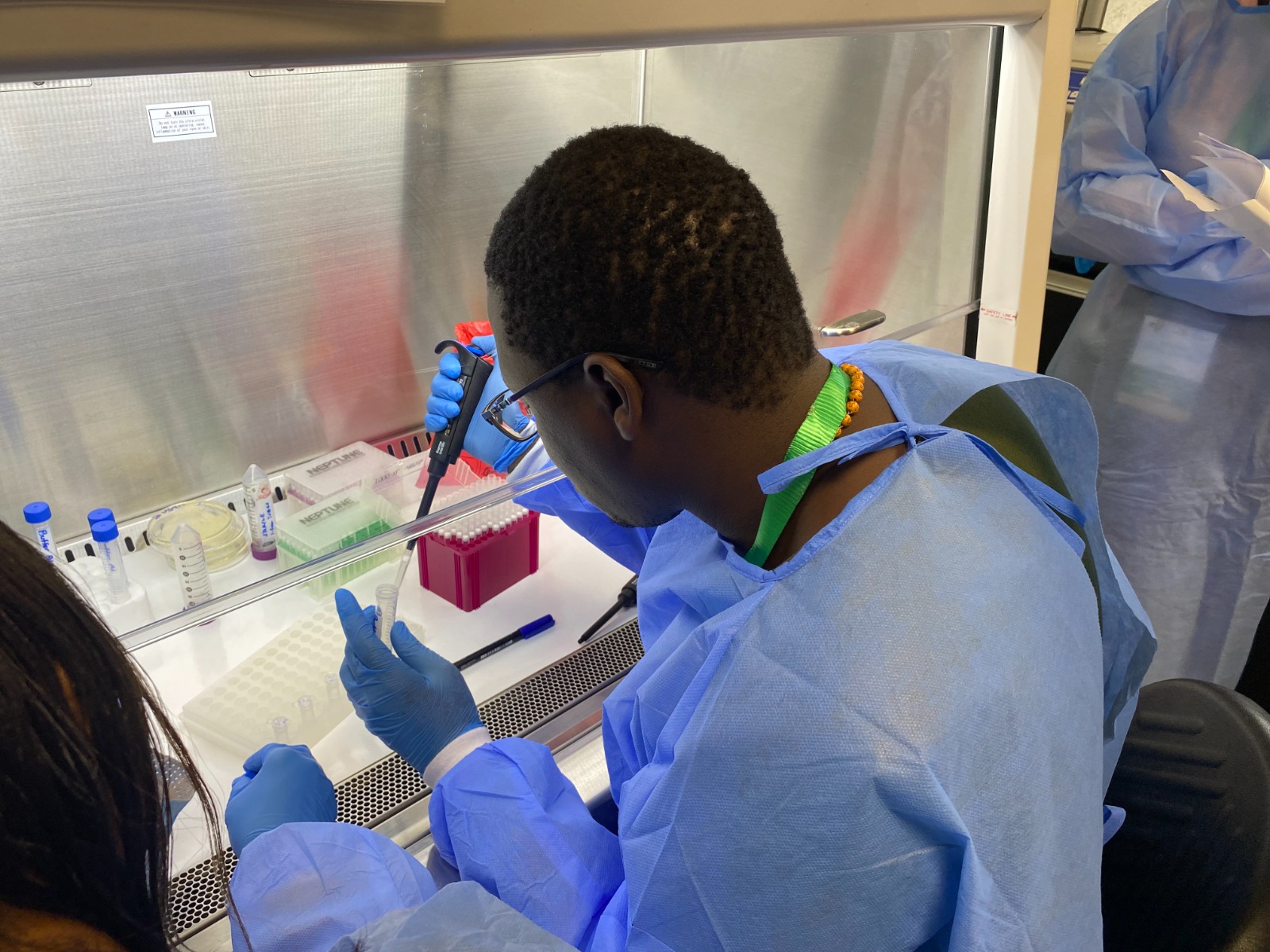
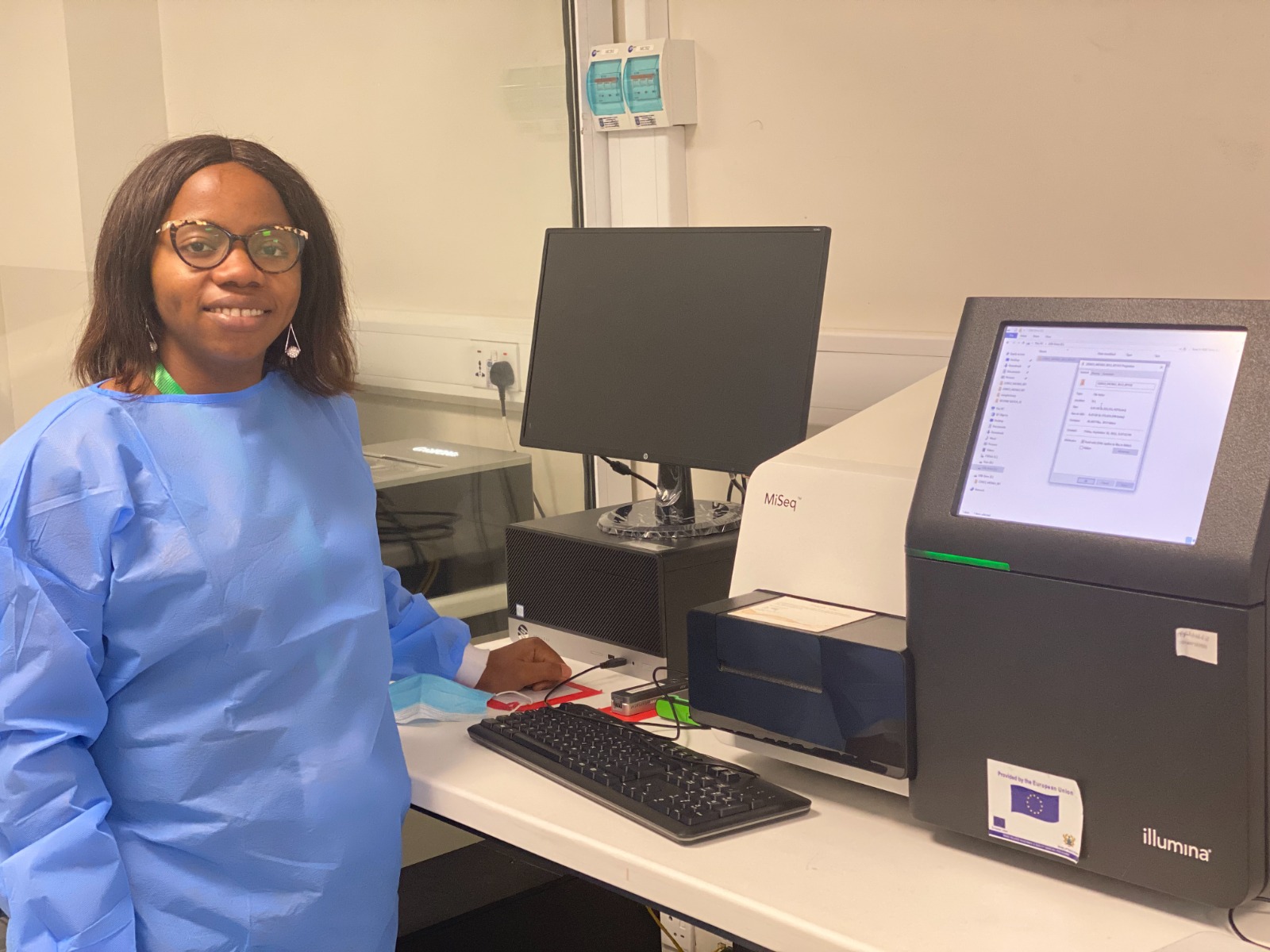
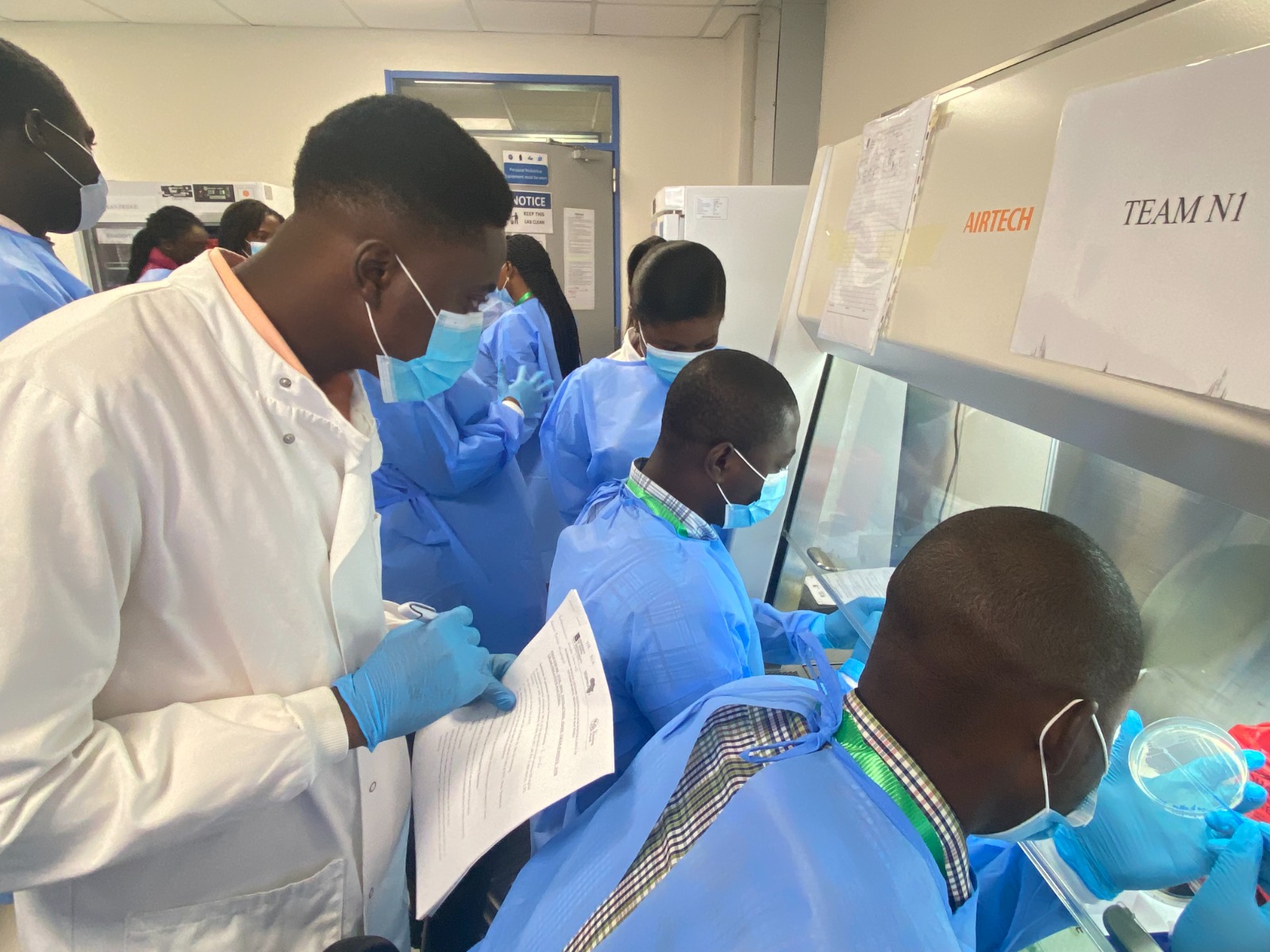
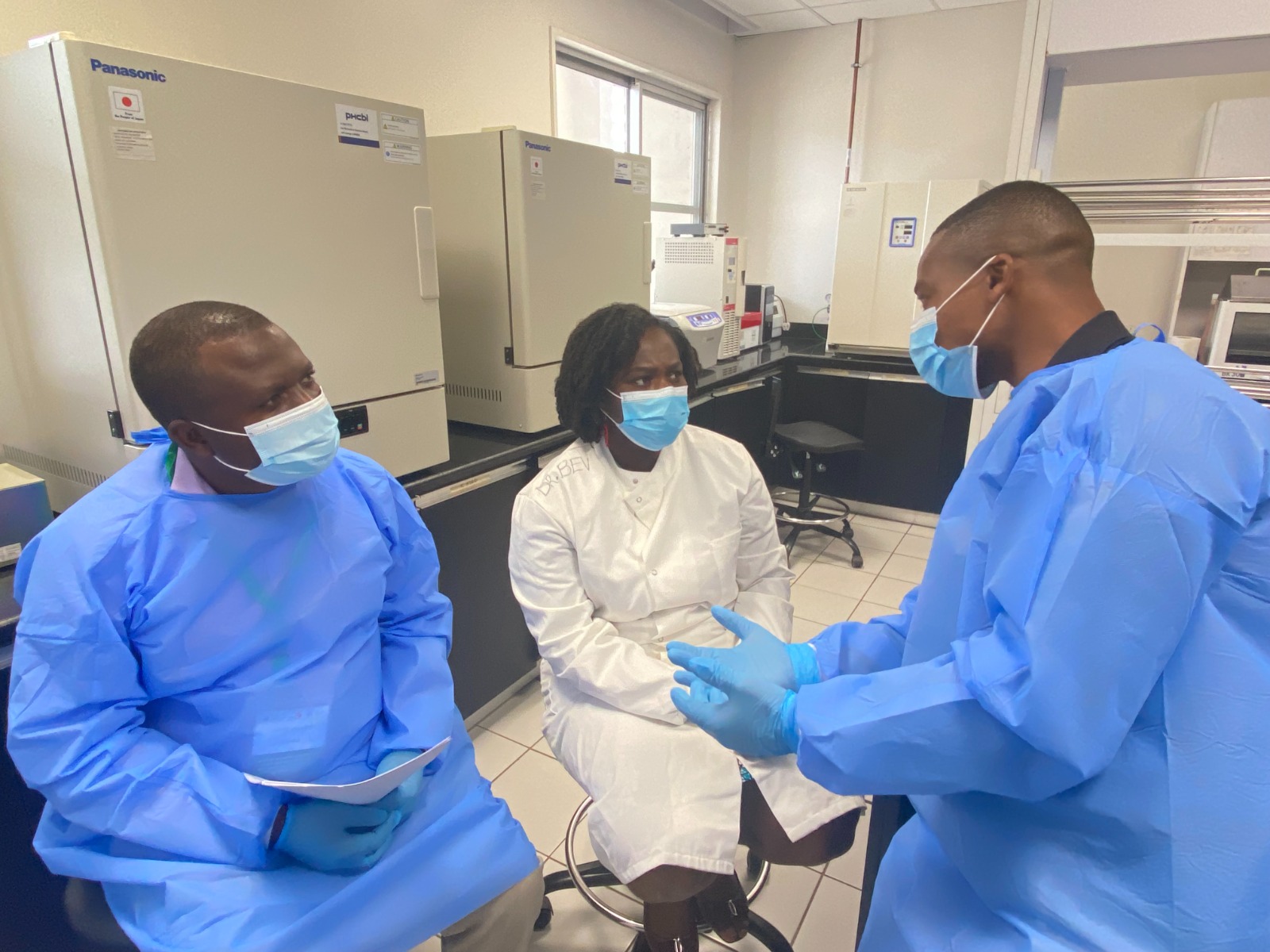
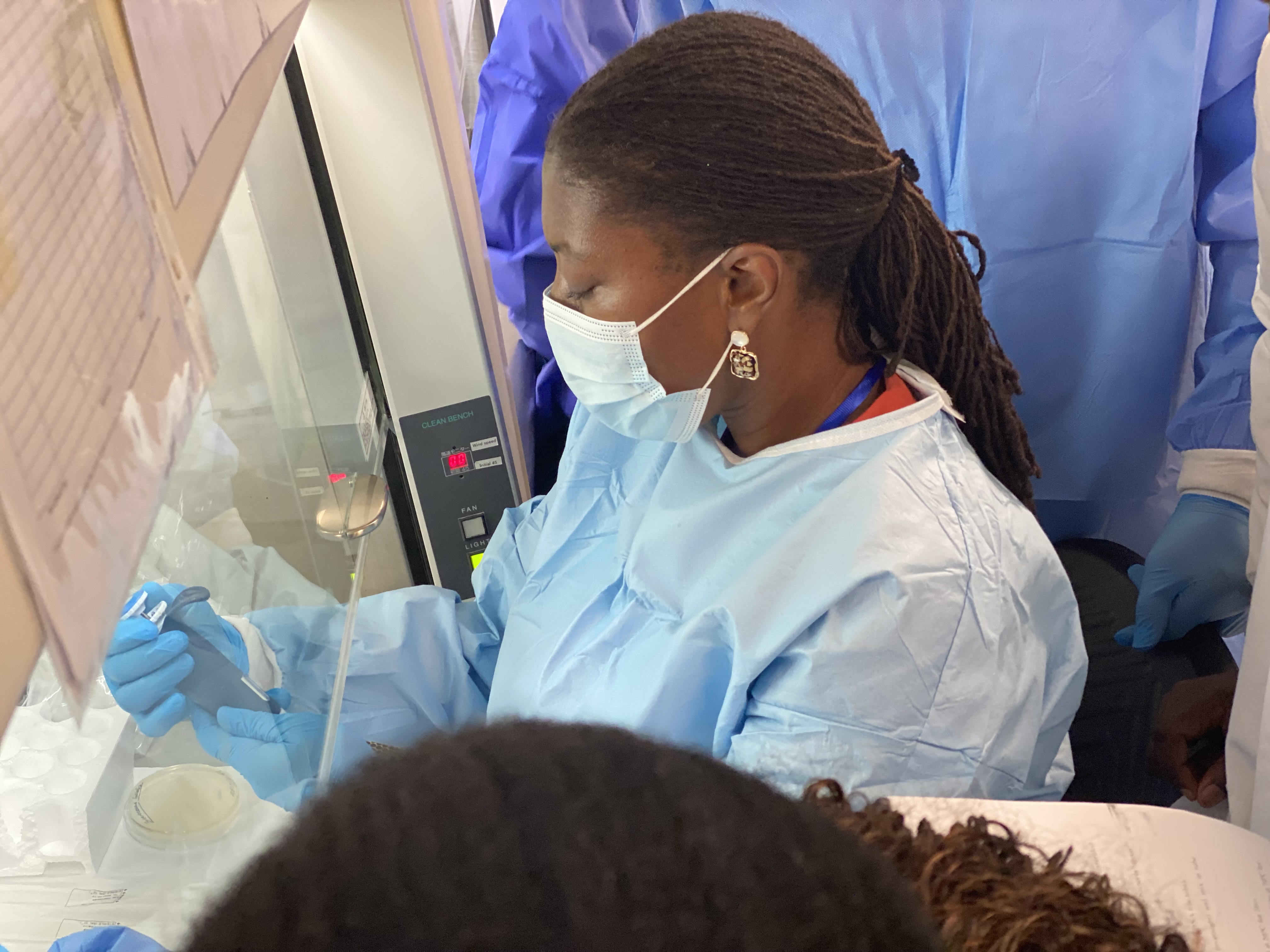
The first week (day 1- day 5), participants had hands-on experience with various lab experiments. Participants were taken through the procedure for extracting purified DNA from bacterial isolates on media plates for sequencing. They also quantified the extracted DNA using the fluorometric and spectrophotometric methods. Subsequent days in the week participants explored the Oxford Nanopore Technology and Illumina sequencing platforms. They prepared libraries; quality checked the libraries using the Bioanalyzer and qPCR machines, pooled the libraries and loaded on the Minion for ONT and Miseq for Illumina. Participants were introduced to Linux as well. Using the Linux command lines to analyze the sequenced data.
The second week of the workshop (day 6 – day 10) was mainly bioinformatics training. Participants were introduced to various platforms (CGE, NCBI among others) and tools for analyzing the sequenced data. They were also trained on how to use these platforms and tools. Participants were also given time during the period to prepare to present all that they had learnt and how they intend to apply the knowledge gained. On the final day, in groups all participants presented and shared their experience during the stay here in Ghana. The workshop came to an end successfully with a group photo of all participants and facilitators.
wgs1
 wgs2
wgs2
 wgs3
wgs3
 wgs4
wgs4
 wgs5
wgs5
 wgs6
wgs6
 wgs7
wgs7
 wgs8
wgs8
 wgs9
wgs9
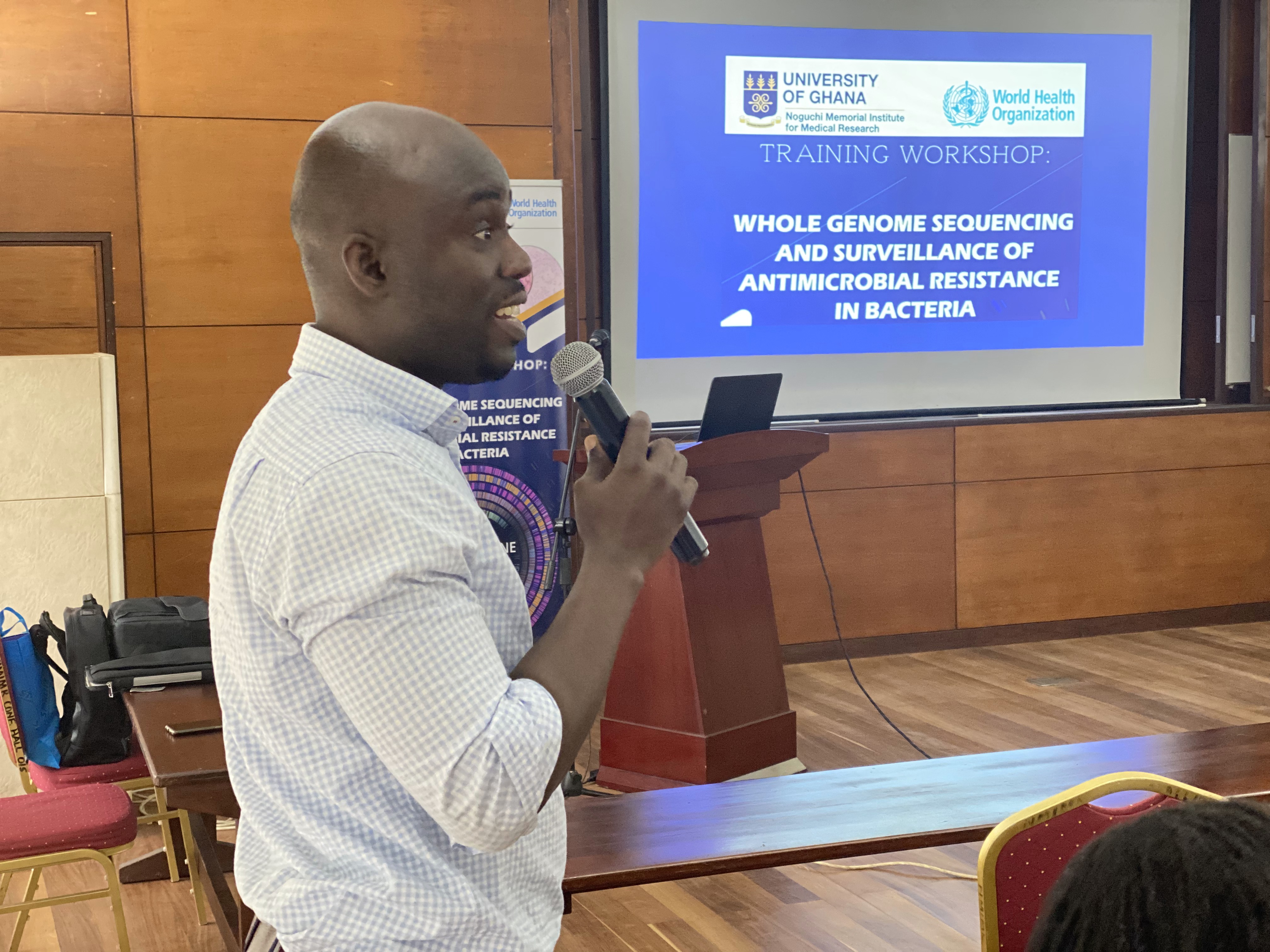
WHO Training on Whole Genome Sequencing for AMR Surveillance
WHO-funded training focusing on Illumina and ONT sequencing workflows for AMR surveillance in bacterial pathogens.
WHO Training on Whole Genome Sequencing for AMR Surveillance
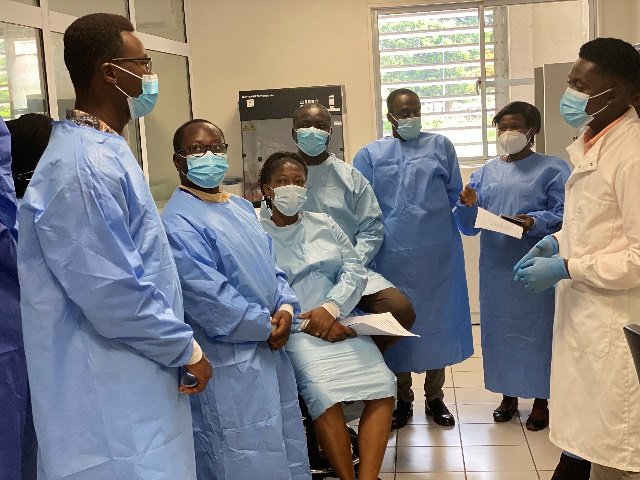
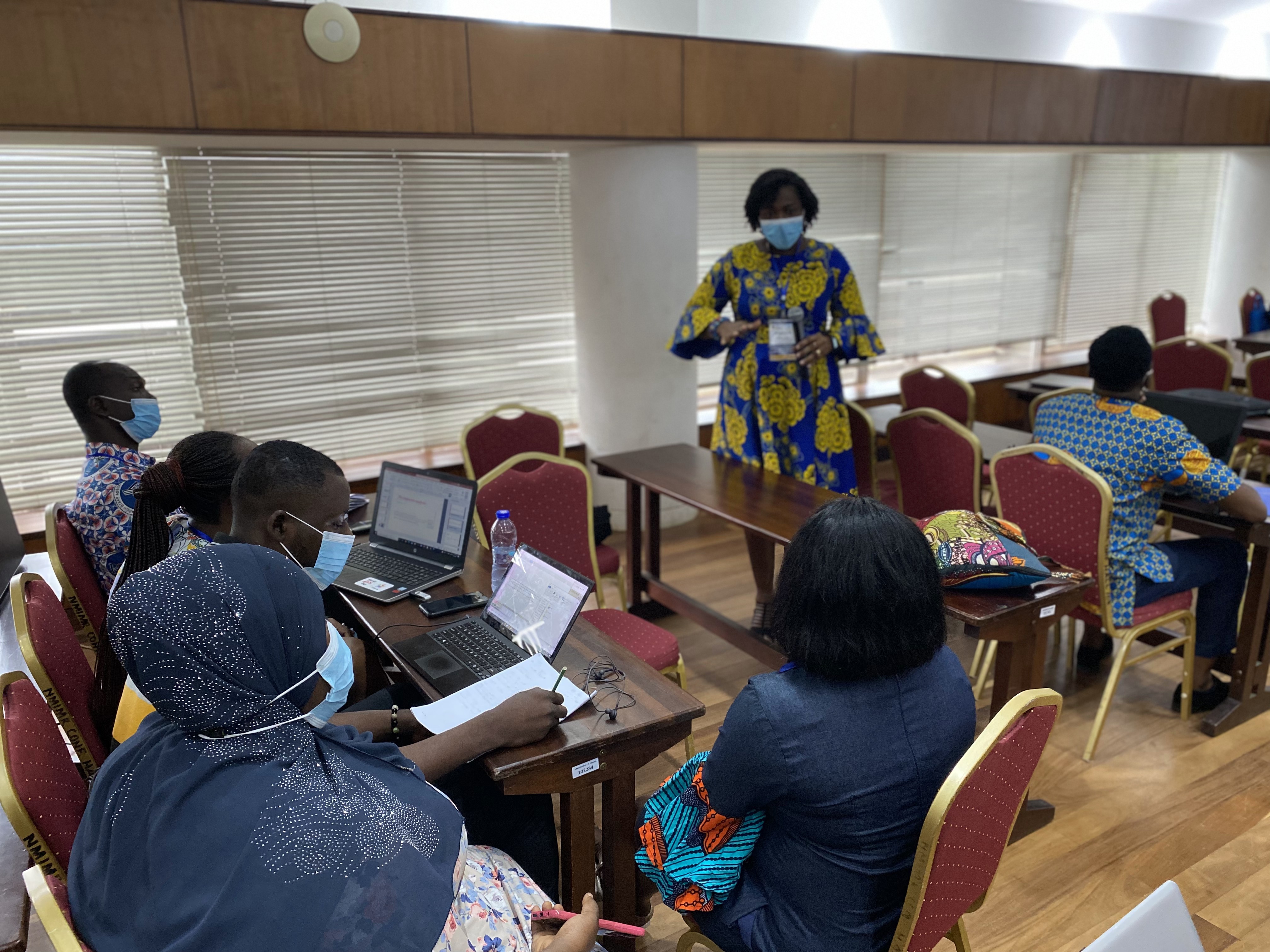
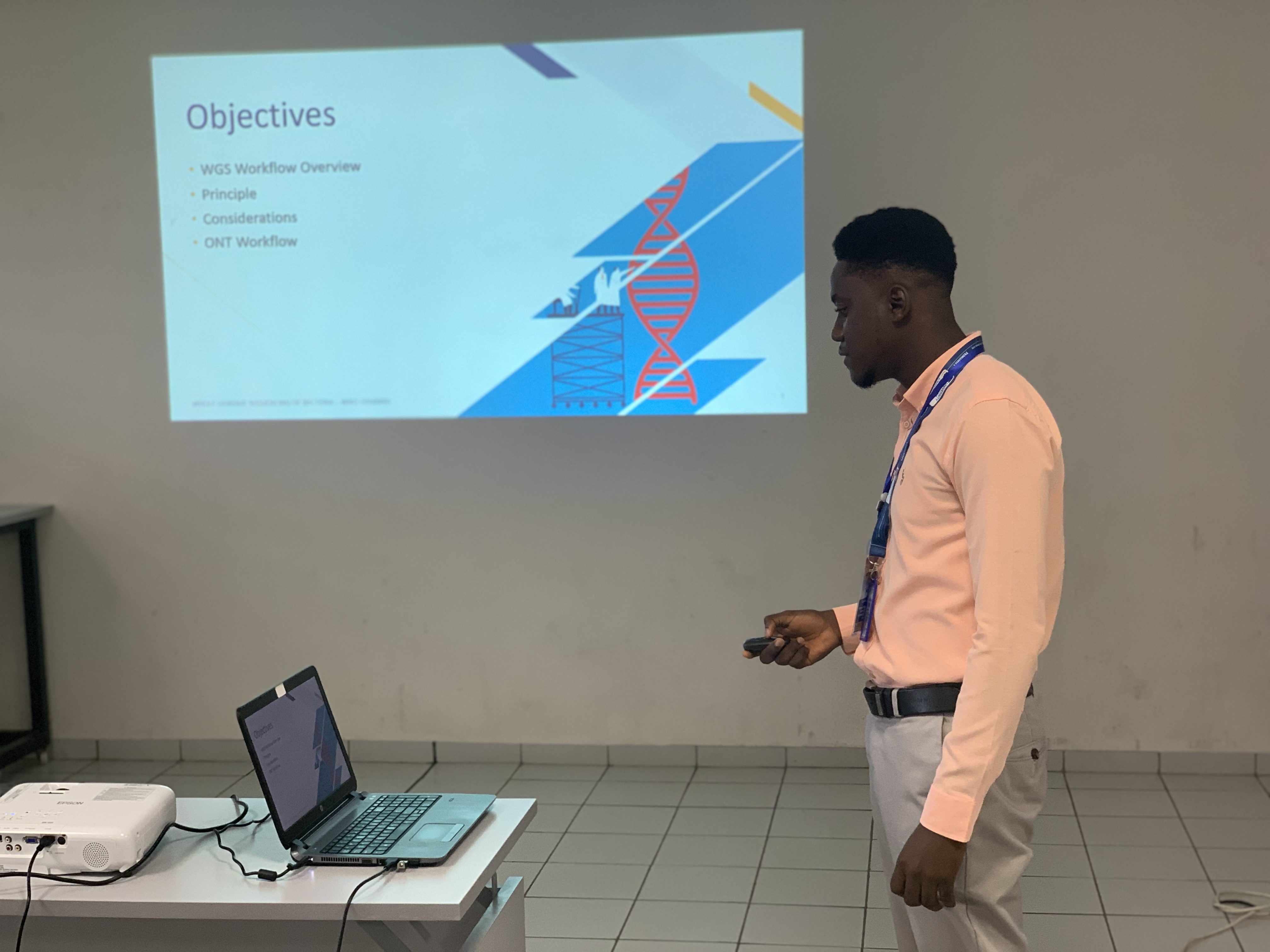
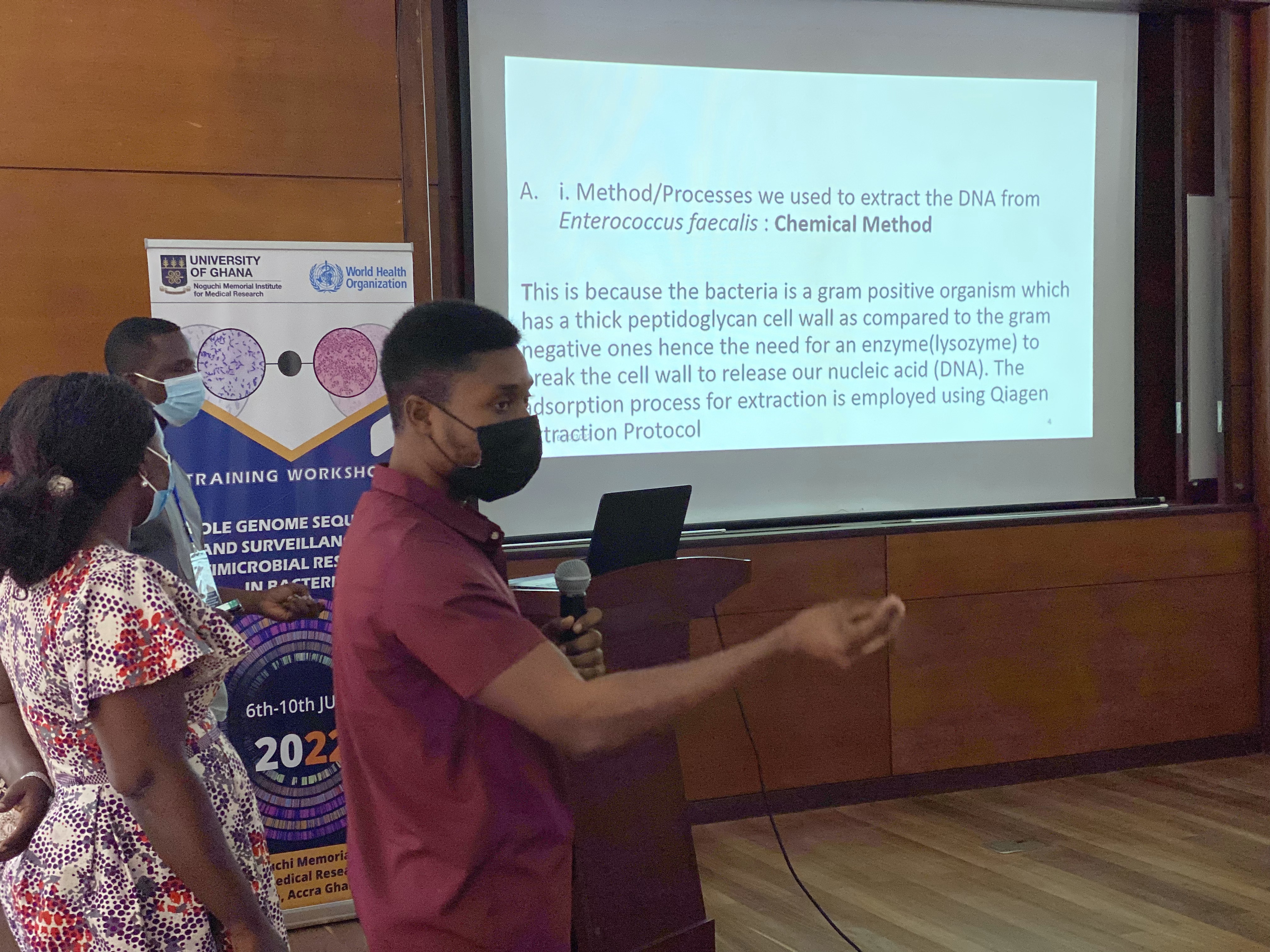
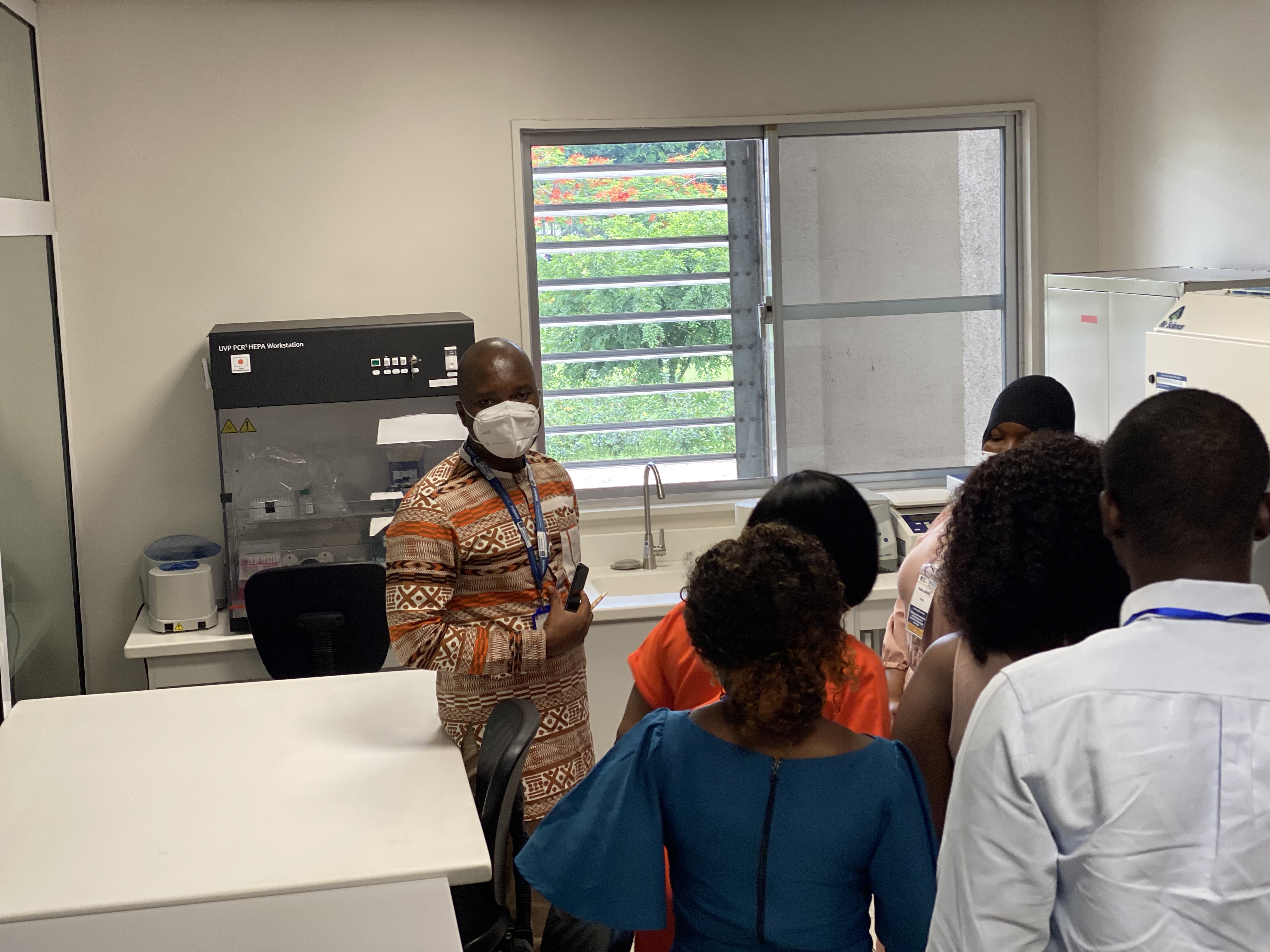
In order to further genomic-based AMR surveillance beyond conventional phenotypic approaches, the workshop brought together laboratory professionals. In important areas including DNA extraction, quantification, library preparation, and sequencing utilising both Oxford Nanopore (MinION) and Illumina MiSeq platforms, it blended theoretical lectures with practical instruction.
Training was given to participants in:
• WGS procedures and sequencing tools
• Utilising phylogenetic software and tools like CGE, CARD, and PATRIC for bioinformatics analysis
• Analysing data to find virulence and resistance genes
• Genomic data submissions to public databases (NCBI)
In order to enhance outbreak detection, monitor resistance trends, and guide public health initiatives, the training focused on the significance of integrating genomic data with AMR surveillance systems.
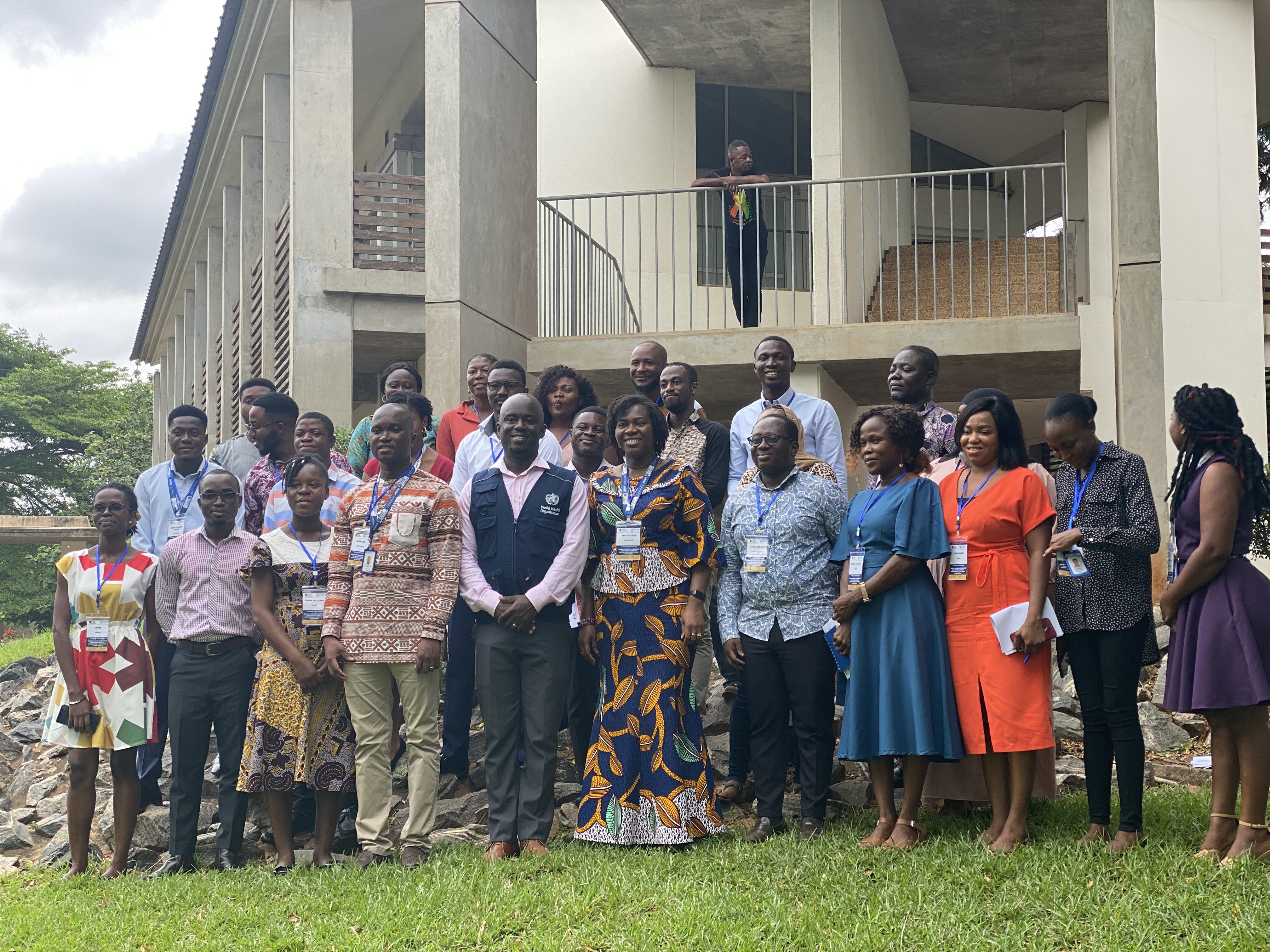
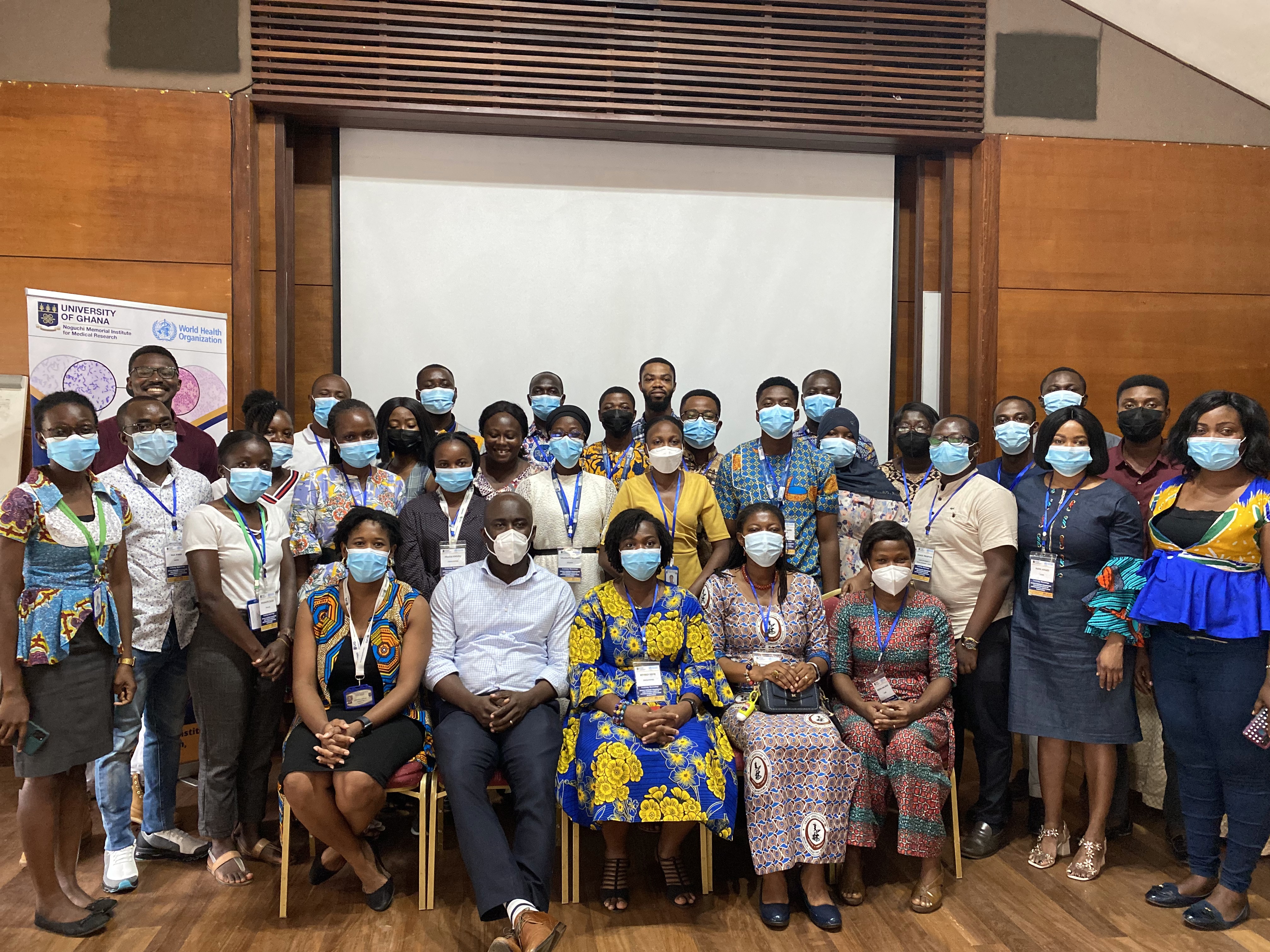
Participants showed increased comprehension and usefulness of WGS tools through group projects and presentations. In addition to enhancing local capacity, the workshop emphasised the vital role that genomics plays in combating the increasing threat of AMR in Ghana and beyond.
who1
 who2
who2
 who3
who3
 who4
who4
 who5
who5
 who6
who6
 who7
who7
 who8
who8
 who9
who9