Bacterial Identification and Antimicrobial Susceptibility Testing (AST)

Course Overview
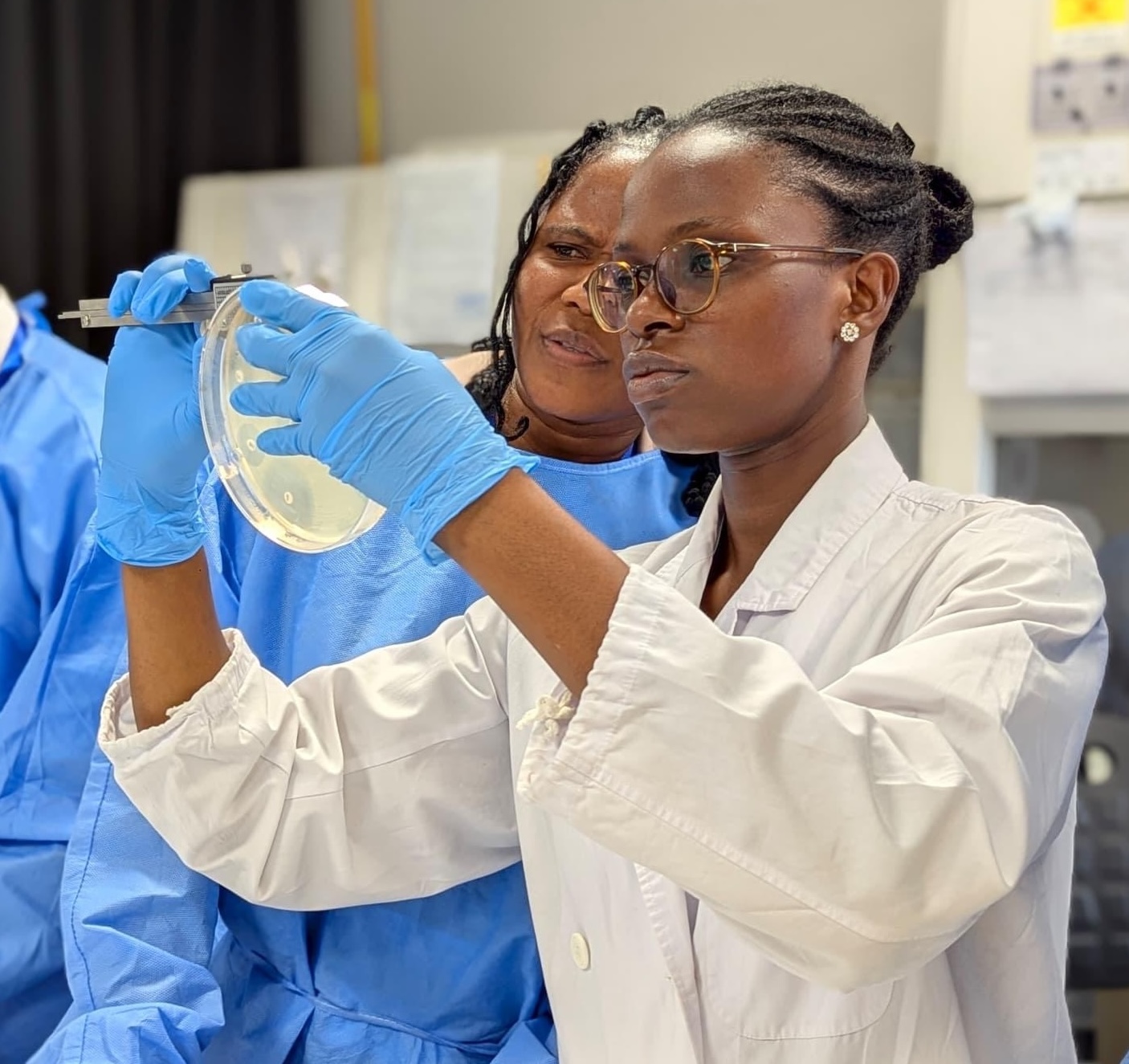
This course introduces participants to the principles and standard laboratory techniques for identifying clinically relevant bacteria and determining their susceptibility to antibiotics. It integrates manual and automated phenotypic methods with quality assurance practices.
Participants will gain the skills to:
- ✔️ Prepare culture media adhering to quality control measures
- ✔️ Culture, isolate, and purify bacteria using appropriate media and culturing techniques
- ✔️ Correctly identify bacteria using manual and automated methods
- ✔️ Perform and interpret AST using standardized methods and guidelines
Learning Objectives
- 🎯Explain and apply the principles of bacterial culture, isolation, and phenotypic identification
- 🎯Perform antimicrobial susceptibility testing (AST) according to international standards and interpret results accurately
- 🎯Correlate phenotypic resistance results with potential genetic mechanisms and their public health implications
Course Content
- 📘Overview of bacterial pathogens in clinical and environmental contexts
- 📘Sample collection, transport, storage, and preparation for culture
- 📘Identification using Gram staining, biochemical testing, and automated identification systems
- 📘AST methods including disk diffusion, broth microdilution, E-test, and interpretation using CLSI and EUCAST guidelines
- 📘Quality assurance and documentation in diagnostic microbiology
- 📘Correlation of phenotypic data with mechanisms such as ESBLs and carbapenem resistance
- 📘Case studies on antimicrobial resistance patterns from clinical isolates
Target Participants
Lab scientists, Biomedical researchers, Lab managers, Students, Clinicians
Duration
Five-day in-person course held at the Noguchi Memorial Institute for Medical Research (NMIMR), Accra, combining lectures and hands-on practical sessions.
Certification
Certificate of completion awarded.
Cost
$792
Additional Information
Maximum of 20 participants. No experience required. Training materials and protective equipment are provided. Fee covers reagents, consumables, and training materials including manuals, SOPs, and stationery. Travel arrangements, accommodation and food not included.